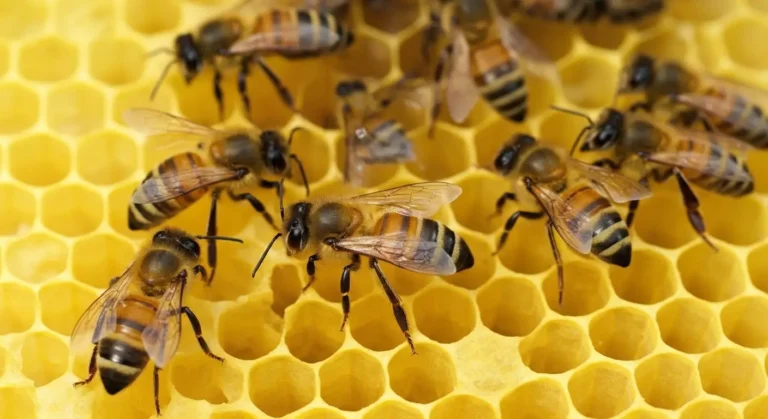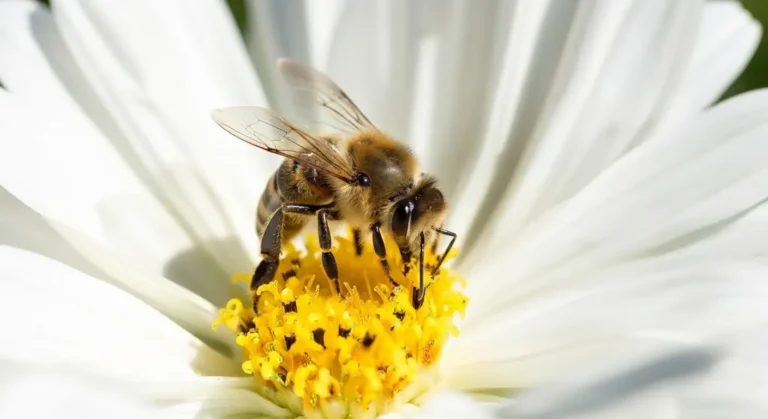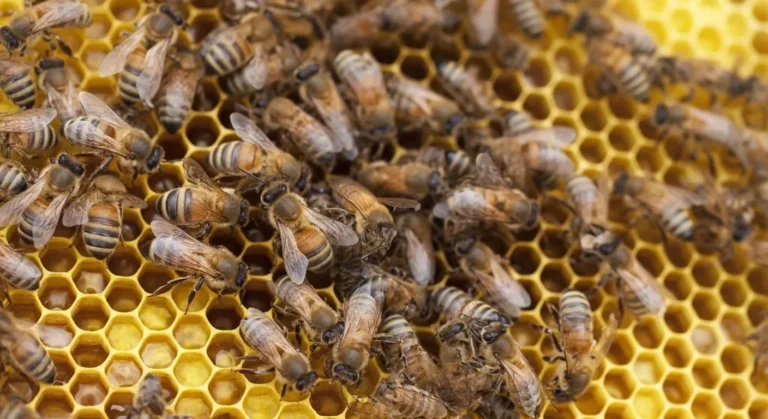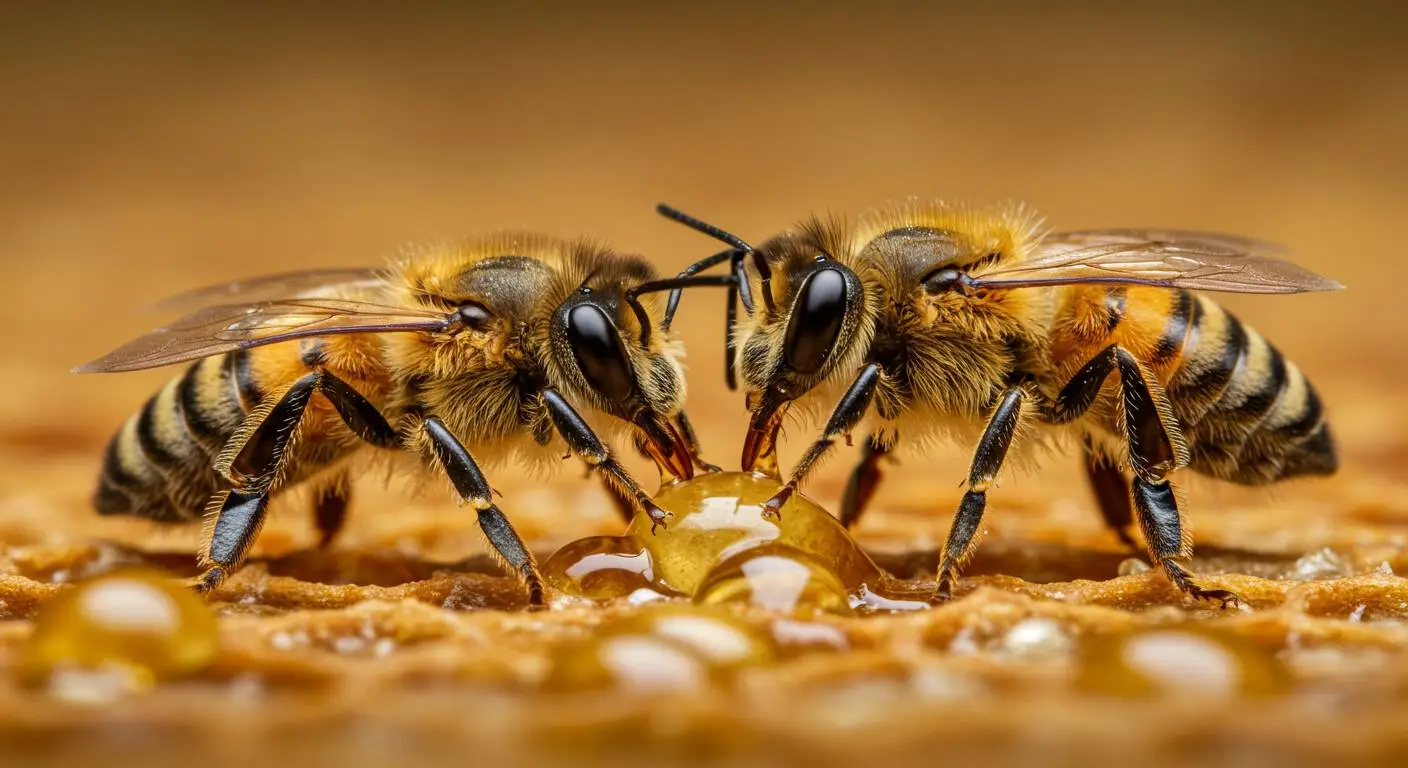
The Anatolian Queen Bee; is an endemic honey bee race with high adaptation capacity that has acclimatized to Turkey’s diverse geographical regions and harsh climate transitions over thousands of years. Known scientifically as Apis mellifera anatoliaca, this race is characterized by its generally dark or dingy yellow tones, medium-sized body structure, and a length ranging between 17-19 mm. Standing out from its competitors with its superior overwintering ability and skill in efficiently utilizing scarce resources, the Anatolian bee is the most strategic genetic heritage of sustainable beekeeping, featuring high nectar gathering drive, low robbing tendency, and a temperament (aggressive or docile) that varies according to regional ecotypes.
Characteristics of the Anatolian Queen Bee
- Taxonomic Definition: The Anatolian bee, scientifically named Apis mellifera anatoliaca, is an endemic honey bee race that has adapted to Turkey’s different ecosystems over millennia.
- Morphological Structure: It is generally in shades of dingy yellow, dark brown, or grey-brown, with a small to medium-sized body. The body length of worker bees is typically between 17-19 mm.
- Overwintering Ability: This race, which shows resistance to seasonal changes and harsh climatic conditions, exhibits superior overwintering performance.
- Nectar Collection Capability: It is known for its high nectar gathering drive and the ability to use scarce resources efficiently, even during periods of low floral diversity.
- Robbing and Swarming Tendency: Although it is a bee race with a high tendency to swarm, its tendency to rob other hives is quite low.
- Temperament Variability: While academic sources define it as more aggressive compared to Italian, Carniolan, and Caucasian bees, a docile structure can be observed in some bred lines.
- Hardiness and Adaptation: It has a high adaptation capacity to regional conditions and offers a genetic structure that is highly resistant to external factors.
- Orientation and Industriousness: Thanks to its advanced orientation skills, it shows high performance in the field and contributes to honey yield with its industrious nature.
- Production Diversity: In addition to honey production, this race attracts attention with its royal jelly production capacity and is preferred in international apiculture studies.
Morphological Characteristics of the Anatolian Bee
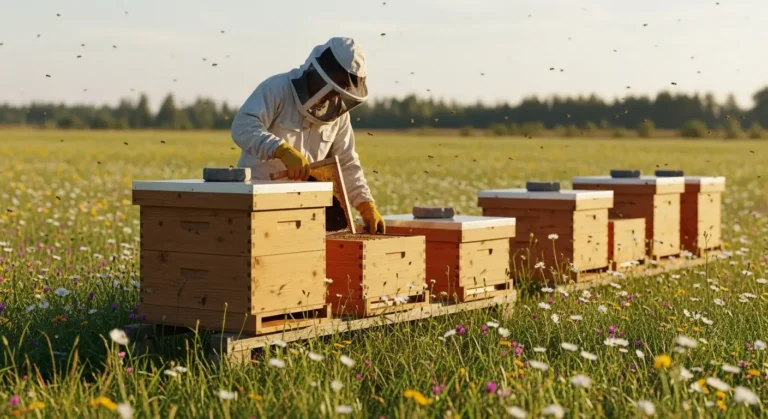
The morphological data defining the physical structure of the Anatolian bee (Apis mellifera anatoliaca) are the most fundamental indicators that distinguish this race from other honey bee varieties:
- Body Color: The chitin color is generally dark, in grey-brown tones, or a characteristic dingy yellow color.
- Body Size: Morphologically, it has a small or medium-sized body structure.
- Body Length: The body length of queen bees, which is more prominent compared to worker bees, generally varies between 17-19 mm.
- Hair Cover: The hair cover on the body and color tones may include variations according to the region where the race is located and the degree of genetic purity.
- General Structure: It has a compact and resilient external structure that supports durability against harsh natural conditions.
Differences Between the Anatolian Bee and Other Honey Bee Breeds
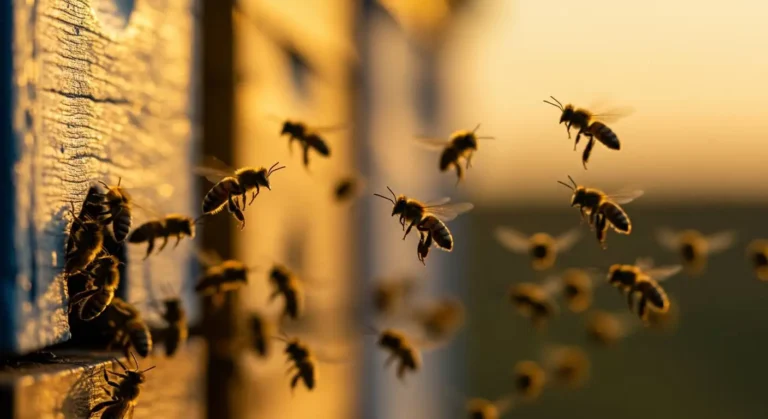
There are many bee breeds adapted to different ecosystems around the world. The primary difference that makes the Anatolian bee unique within these populations is its genetic resilience and ability to manage scarce resources. Here are the main characteristics of other important races:
- Caucasian Bee: Known as the bee with the longest tongue in the world, the Caucasian bee is more successful than the Anatolian bee at collecting nectar from deep-tubed flowers; however, the aggressive defense mechanism and rapid spring development exhibited by the Anatolian bee are slower in the Caucasian race.
- Italian Honey Bee: Known for its light yellow color and docility, the Italian honey bee is one of the races with the highest brood activity. However, it is not as efficient as the Anatolian bee in terms of high overwintering ability and economical honey consumption.
- Buckfast Bee: A hybrid developed through breeding programs, the Buckfast bee is known for its high honey yield and low swarming tendency, yet it lacks the thousands of years of natural adaptation and resistance to local diseases possessed by the Anatolian bee.
- Thracian Bee: Exhibiting characteristics close to the Carniolan bee, the Thracian bee is known for its docile nature and capacity to emerge strong from winter; however, compared to the Anatolian bee’s resilience to extreme climatic conditions in Central and Eastern Anatolia, it has a more regional adaptation.
- Western Aegean Bee: Performing high in regions that are the center of pine honey production, the Western Aegean bee is resistant to hot weather conditions; however, the high nectar gathering drive and overwintering success in the general population of the Anatolian bee may differ in the Western Aegean ecotype.
- Cyprian Bee: Highly defensive and sometimes extremely aggressive, the Cyprian bee is fully adapted to hot and arid climates. While it exhibits a temperament similar to the Anatolian bee, the Anatolian race presents a more balanced profile in terms of nectar efficiency and overwintering balance.
- Syrian Bee: Small-bodied and drought-resistant, the Syrian bee is a race with high defensive power. However, the wide variety of ecotypes and the ability to adapt quickly to different flora structures found in the Anatolian bee are more limited in this race.
- Iranian Bee: Adapted to the harsh geography of the Middle East, the Iranian bee is resilient in local conditions. In contrast, the efficient use of scarce resources and superior overwintering performance of the Anatolian bee, emphasized in international apiculture literature, is more pronounced than in the Iranian race.
Technical Comparison: Anatolian Bee and Other Dominant Breeds
| Comparison Criterion | Anatolian Bee (A. m. anatoliaca) | Italian Bee (A. m. ligustica) | Caucasian Bee (A. m. caucasica) | Carniolan Bee (A. m. carnica) |
| Morphology and Chitin Color | Dark, grey-brown, or characteristic dingy yellow tones | Bright leather yellow, distinct bands | Dark grey, blackish-brown tones | Silvery grey, dark chitin structure |
| Body Dimensions | 17-19 mm body length; small-medium build | Wide and relatively larger build | Long body, possesses the longest tongue structure | Slender and long build |
| Overwintering Performance | Excellent; full adaptation to harsh climates and low stock availability | Low; consumes high amounts of honey in winter and seeks warm climates | Good; but not as resilient as the Anatolian bee in humid and extreme cold | Very good; enters winter cluster early, exits late |
| Nectar Gathering Strategy | Efficient use of scarce resources (poor flora) and high working drive | High performance during dense and rich flora periods | Ability to draw nectar from deep-tubed flowers (e.g., sainfoin) | The race that best evaluates early spring flora |
| Temperament and Defense | Variable; academically defined as “aggressive,” in bred lines as “docile” | Very docile; suitable even for working without a mask | Docile; aggression tendency is very low | Very docile; world-renowned for its docility |
| Swarming and Robbing | High swarming tendency; robbing tendency is quite low | Low swarming tendency; robbing tendency is very high | Low swarming tendency | Medium-high swarming tendency |
| Royal Jelly Potential | High production capacity, especially in specific lines (China example) | Medium level; focused on honey and pollen | Low; higher tendency to collect propolis | Low-medium level |
Ecological Balance and Sustainable Productivity
The Anatolian Bee is a genetic treasure purified through thousands of years of natural selection in Turkey’s heterogeneous geography. When compared with the analyzed bee breeds, it is seen to be not just a “honey producer,” but also the most resilient endemic population against seasonal fluctuations. Specifically, its ability to survive the winter with its 17-19 mm body structure and low honey consumption is the most important factor in reducing costs in commercial beekeeping. Its nectar gathering ambition and genetic resistance to local diseases make the Anatolian queen bee a strategic choice for both hobbyist and professional beekeeping. Protecting this race and improving its temperament characteristics through breeding efforts will consolidate Turkey’s position in the global beekeeping market.
A Field View of the Anatolian Queen Bee: Real Experiences from Master Beekeepers
The Anatolian bee (Apis mellifera anatoliaca), which has reached the present day by passing through the millennial ecological filter of the Anatolian geography, represents a dynamic and strategic reality for professionals in the field beyond academic literature. Standing out among bee breeds for its survival skills, this endemic species is seen by master beekeepers (10+ years of experience) not as a mere production tool, but as an intelligent system adapted to the rhythm of nature.
The Anatolian Queen Bee; is a native honey bee race known for its overwintering success and genetic resistance, having fully adapted to Turkey’s harsh climatic conditions, scarce resources, and variable flora structure. Data from the field proves that this bee is not just “aggressive,” but actually a sensitive guardian constantly monitoring its environment to protect its hive and lineage.
Anatolian Bee in the Field: Behavior and Protection Instinct
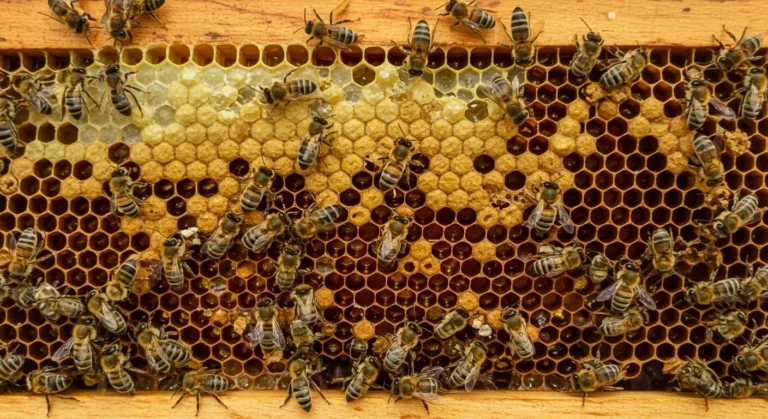
The most prominent topic in beekeeping forums and field discussions is the defense instinct and reactive responses of the Anatolian bee. Experiences of master beekeepers show that the aggression level of this race is not only a genetic code but also a response to environmental stress factors. Failure to maintain in-hive humidity, wind direction, and even pests creating vibrations around the hive at night are primary factors that cause the colony to become restless.
Furthermore, it has been observed that odor factors such as the carbon dioxide level in the beekeeper’s breath and cigarette smoke can instantly change the temperament of the bees. According to master notes from the field, while the density of old worker bee populations in the hives at the beginning of spring increases aggression, the general temperament becomes calmer as the hive rejuvenates.
Bee Breeds Performance Comparison Table
Prepared in light of field data and master beekeeper comments, this table reveals the operational differences between the Anatolian bee and other common breeds:
| Feature | Anatolian Bee (General) | Caucasian Bee | Carniolan Bee |
| Resistance to Winter Conditions | Very High – Harsh climate expert | High – Suitable for cold regions | Medium/Low – High stock consumption in cold |
| Nectar Collection Capacity | Balanced and Efficient | Successful in deep-tubed flowers | Very Fast (Early spring) |
| Honey Consumption (Winter) | Very Low (Economical) | Low | High (Prodigal) |
| Temperament / Aggression | Reactive and Protective | Very Docile | Generally Calm |
| Swarming Tendency | High (Natural reflex) | Low | Medium |
Analysis of Regional Ecotypes: Muğla, Yığılca, and Central Anatolia
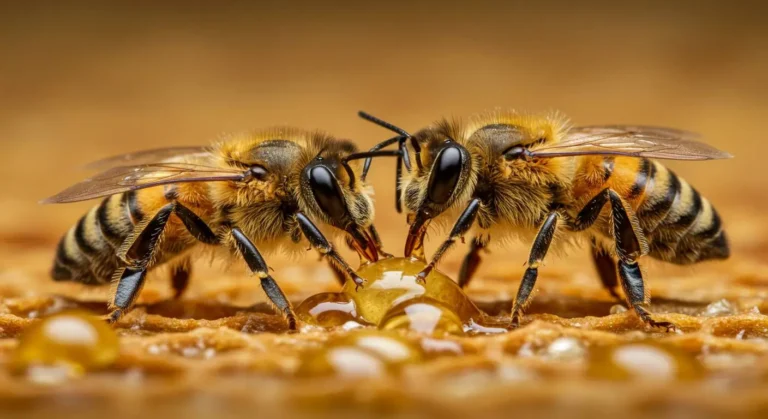
The Anatolian bee is not a single type but varies with its regional ecotypes:
- Muğla Ecotype: Located at the center of pine honey production, this bee is fully adapted to heat but is known for an increased robbing tendency when the nectar flow ends.
- Yığılca Ecotype: The bee from the Western Black Sea, famous for its industriousness. Although it provides high honey yield, it requires professional management due to its dominant defense reflex.
- Central Anatolia Ecotype: An overwintering expert that does not break the cluster even in the cold of internal regions reaching -30 degrees Celsius, emerging in spring with minimum stock.
Frequently Asked Questions: Answers from the Masters
Why is the Anatolian Bee behaving so aggressively?
Aggression is a reactive response due to in-hive heat loss, lack of pollen, incorrect intervention times, and an old bee population. Masters emphasize that the bee acts like a “sensitive guardian” just to protect its resources.
Can the “Sword” (Kılıç) bee be bred?
It is a field reality that colonies that are genetically extremely aggressive, termed “sword,” will not improve with training; the only solution is to replace the queen bee with a docile breeder.
How can we prevent the Anatolian Bee from swarming?
The swarming tendency, which is a natural reflex, can be controlled by expanding the hive in time, using queen excluders, and keeping the queen bee young.
Which bee is more advantageous regarding honey consumption in winter?
The Anatolian bee is the most economical race capable of emerging in spring by keeping honey consumption at the lowest level throughout winter. This feature makes it the “insurance” for challenging geographies.
How can we reduce bees attacking the mask?
Ensuring the mask is clean (free from old pheromone scents), not breathing directly into the hive, and avoiding sudden, harsh movements significantly reduces aggression.
The Durable Genetic Heritage of Anatolia
Field experiences show that the Anatolian bee, when combined with correct management and selection, is unrivaled in terms of productivity and survival. It is possible for beekeepers to establish a line where they can perform hive checks peacefully without dressing “like an astronaut” through the protection of native ecotypes and conscious breeding efforts. Apis mellifera anatoliaca will continue to be Turkey’s most strategic power in honey production.