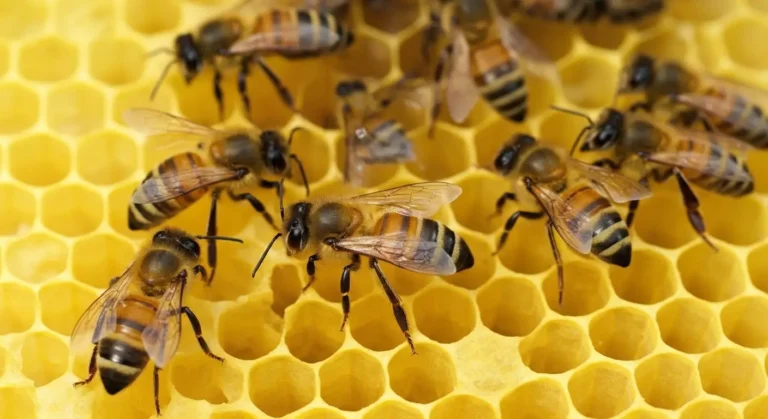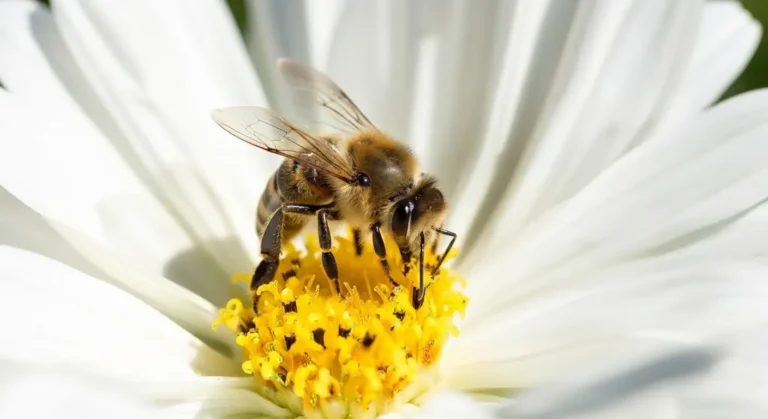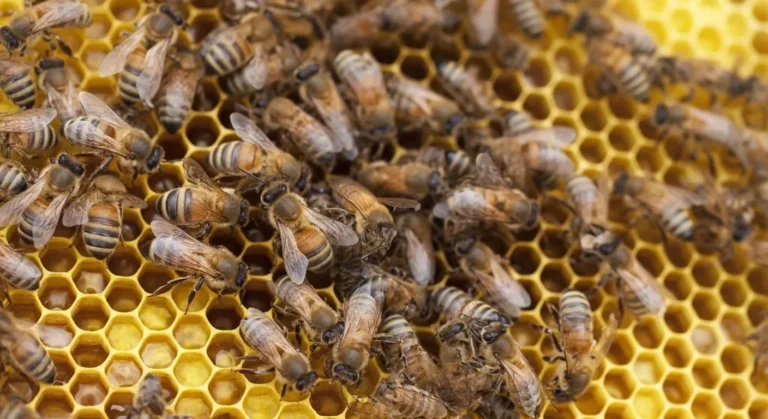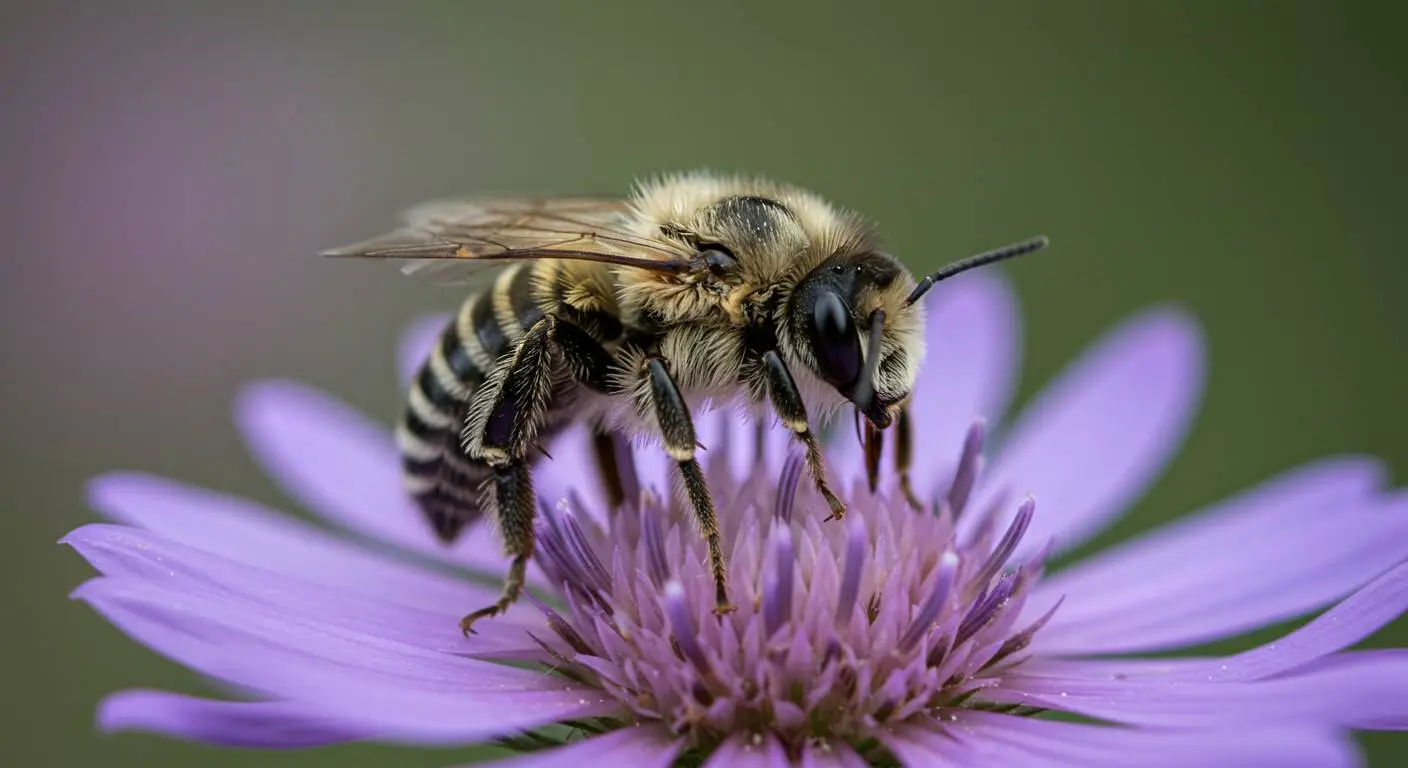
Sustainable success in beekeeping depends not only on the number of hives but also on selecting the most suitable genotype for the climate and vegetation of the operating region. So, what is a bee breed, a topic frequently discussed among beekeepers? In its simplest definition, a bee breed is the sum of physical and behavioral characteristics that honey bees have acquired over thousands of years by adapting to a specific geography, climate, and flora. This genetic heritage directly determines the bees’ overwintering ability, resistance to diseases, aggressiveness levels, and nectar collection capacities.
In this guide, we will examine the main bee breeds and their characteristics, from Caucasian to Carniolan, from Italian to the Anatolian breed, blending them with the field experiences of master beekeepers.
The Most Common Bee Breeds in the World and Turkey
- Carniolan Honey Bee: Known for its gentleness and rapid development in spring.
- Caucasian Bee: Its nectar collection capacity is very high thanks to its long proboscis.
- Italian Honey Bee: Recognized for its extreme prolificacy and beautiful comb building.
- Anatolian Bee: Our most resistant native breed against harsh climatic conditions and diseases.
- Buckfast (Belfast) Bee: A hybrid breed that stands out with high honey yield and disease resistance.
- Thracian Bee: A regional ecotype best adapted to sunflower honey production.
- West Aegean Bee: The indispensable native bee of pine honey production areas.
The Most Preferred Bee Breeds and Their Characteristics
1. Carniolan Honey Bee (Apis mellifera carnica)
Known as the gentlest bee breed in the world, the Carniolan Honey Bee is one of the most popular choices in both hobby and commercial beekeeping. These bees show very rapid colony development, especially in the spring months. Their overwintering ability is excellent, and they can survive the winter with little food.
2. Italian Honey Bee (Apis mellifera ligustica)
Known for its aesthetic yellow color and industriousness, the Italian Honey Bee holds the title of the most widespread bee breed in the world. The queen bee lays eggs continuously and creates large colonies. It shows high performance in temperate climates and regions with long-term flowering.
3. Caucasian Bee (Apis mellifera caucasia)
The Caucasian Bee is considered the most resistant bee breed for cold climates. Its most distinctive feature is its tongue length reaching up to 7.2 mm; thus, it can collect nectar from deep-tubed flowers.
4. Anatolian Bee (Apis mellifera anatoliaca)
The Anatolian Bee is among the bee breed group that resists harsh conditions best. Its immunity to winter conditions, drought, and parasites is very high. It is the most sustainable choice for local conditions in Turkey.
5. Buckfast (Belfast) Bee
The Buckfast Bee is a hybrid bee breed developed by Karl Kehrle (Brother Adam). It was produced with a focus on high yield, standing out with its resistance to diseases and calm nature.
Bee Breeds Characteristics and Performance Comparison Table
| Bee Breed / Type | Origin / Region | Temperament | Overwintering Ability | Honey Yield Potential | Most Distinctive Feature |
|---|---|---|---|---|---|
| Carniolan | Slovenia / Alps | Very Gentle | ⭐⭐⭐⭐⭐ | High | Develops rapidly in spring. |
| Caucasian | Caucasus | Gentle | ⭐⭐⭐⭐⭐ | Very High | Has the longest tongue. |
| Italian | Italy | Gentle (Robber) | ⭐⭐ | High | Extremely prolific and yellow. |
| Anatolian | Turkey | Defensive | ⭐⭐⭐⭐⭐ | High | Most resistant to harsh conditions. |
| Buckfast | UK (Hybrid) | Gentle | ⭐⭐⭐⭐ | Very High | Resistant to diseases. |
| Cyprian | Cyprus | Aggressive | ⭐ | Medium | Resistant to heat and drought. |
A Field Look at Bee Breeds: Real Experiences of Master Beekeepers
Hive-Side Realities by Breed
1. Carniolan: “The Pollen Thief and Spring Legend”
- Beekeeper’s Voice: “It continues to bring pollen from wherever it finds it.”
- Pro: Rapid population increase upon exiting the winter cluster.
- Con: Yield loss occurs quickly in F2 and F3 generations.
2. Caucasian: “A Love-Hate Relationship”
- Pro: A true “honey-maker” breed for deep flowers.
- Con: Torturously slow spring development.
3. Italian: “The Coastal Pollen Champion”
- Pro: Starts brood much faster in warm coastal regions.
- Con: Often deceived by the “false spring” in continental climates.
Field Feedback Summary Table
| Breed | Most Praised Feature | Biggest Complaint | Regional Status |
|---|---|---|---|
| Carniolan | Exploding in spring | Rapid deterioration in generations | Inland/Alps adaptation |
| Caucasian | Unrivaled honey stocking | Slow development | Cold climate master |
| Italian | Pollen collection | Deceived by false spring | Warm coastal specialist |
| Buckfast | Honey record on coasts | Queen bee rejection | Seaside miracle |
| Anatolian | Climate resistance | Finding pure breeding stock | Lifeline of inland regions |
Frequently Asked Questions from the Field
I bought a Buckfast queen, the hive killed her. Why?
Usually, the problem is in transport. Queens that lose their pheromone quality during long shipping are often rejected by the workers.
Why are my bees dying en masse in specific regions?
Genetics unsuitable for the region are a primary cause. Bringing Caucasian bees (cold-climate) to a Mediterranean climate often results in high collapse rates.
Which bee makes the most honey?
While Buckfast or Italians have high potential, the local bee “whose genetic code matches its region” often makes the most honey due to superior adaptation.