Bee venom is a transparent fluid with a unique sharp odor, a bitter taste, and an acidic structure, produced in special glands in the abdominal region of honey bees (Apis mellifera) and used as a source of healing in apitherapy applications. It is a biological secretion showing immune system stimulating, pain-relieving, and therapeutic properties thanks to powerful active ingredients like melittin and apamin found in its content.
What is Bee Venom? How is it Produced?
To answer the question what is bee venom? how is it produced?, which is one of nature’s most sophisticated defense mechanisms, one must look inside the hive and at the life cycle of worker bees. Bee venom is a substance produced with the highest efficiency by worker bees when they are just 18-20 days old. The venom glands located in the last segment of the abdominal region become active as they feed on pollen-sourced proteins.
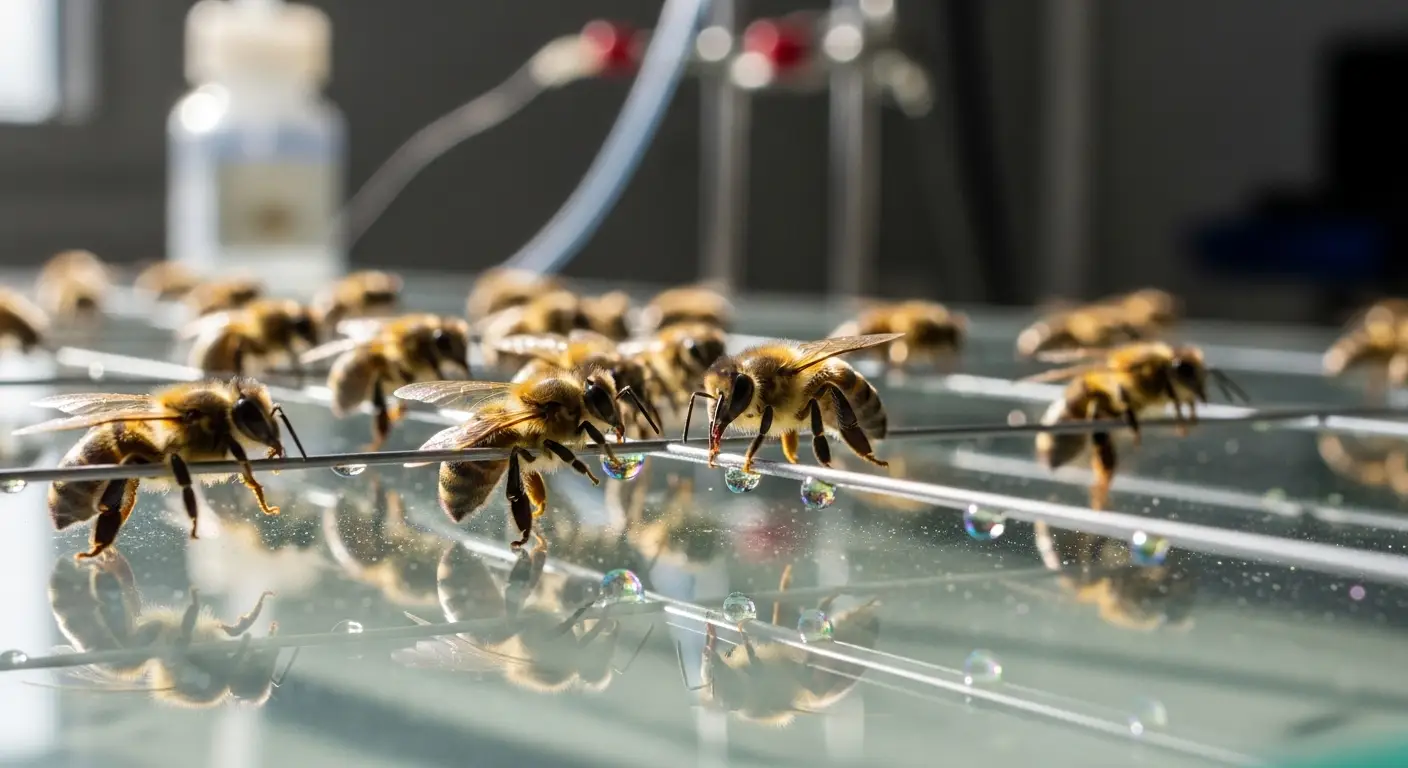
This substance, named apitoxin in scientific literature, is secreted when the bee stings a threat. However, in modern beekeeping, production is carried out without ending the bees’ lives. Bees are stimulated thanks to glass plates carrying a mild electric current placed at hive entrances. The bee trying to sting the glass surface cannot leave its stinger on the slippery ground but empties its venom onto the glass. The drying venom is scraped and turned into powder. In this process, the frequently wondered question what is apitoxin also finds its answer: It is the purified form of the venom produced by the bee that has medical potential.
Properties of Bee Venom in Apitherapy
The properties of bee venom in apitherapy, one of the most powerful weapons of traditional and complementary medicine, come from the substance’s chemical richness. Bee venom is not a simple toxin; on the contrary, it is a complex mixture consisting of 88% water and the rest of enzymes, peptides, and biogenic amines.
Its most important component is the substance “Melittin,” which constitutes approximately half of the venom’s dry weight. This substance fights inflammation by triggering natural cortisone production in the body. Being easily soluble in water facilitates its use in pharmacological products. This precious product of honey bee colonies is known for its blood circulation accelerating and cell regenerating properties. Just as in the question how is bee venom obtained?, the preservation of its properties also requires special storage conditions.
Properties of Honey Bee Breeds and Venom Source
For quality bee venom production, the bee’s genetics and breed characteristics are of great importance. Different honey bee breeds exhibit the following characteristic features depending on geographical conditions:
- Defensive Impulse: Some breeds are more aggressive in protecting the hive, which can affect the amount of venom production.
- Hierarchical Order: Venom production is usually carried out by forager bees that have completed their duties inside the hive and gone out.
- Stinger Structure: Their stingers are barbed, and when plunged into mammalian skin, they detach from the body along with the venom sac and continue to pump.
- Secretion Glands: The venom glands of young worker bees are more active; as they age, this production capacity decreases.
- Industriousness: Breeds with high nectar and pollen collecting capacity are also richly fed in terms of venom quality.
What are the Benefits of Bee Venom?
The main reason why this substance, used with the intention of healing for thousands of years, maintains its popularity in the modern world is the scientific answers given to the question what are the benefits of bee venom?. The venom is particularly effective in the fight against degenerative diseases on the muscular and skeletal system. By locally increasing blood flow, it helps in the removal of toxins in the painful area.
When users generally research what is bee venom and what does it do?, they mostly encounter rheumatism and arthritis treatments. However, its benefits are not limited to this. Bee venom, known to create a “natural botox” effect in skin care, supports the elimination of fine wrinkles by stimulating collagen synthesis. Additionally, as it has restorative effects on the nervous system, it is presented as a supportive treatment in neurological disorders as the answer to the question what is bee venom good for?.
How is Bee Venom Treatment Applied?
The subject of how is bee venom treatment applied?, which turns into healing in professional hands, is a clinical process rather than a method to be tried at home. The treatment begins with micro doses according to the patient’s tolerance level. The most common methods are:
- Injection Method: Purified venom is injected into specific acupuncture points.
- Creams and Ointments: Topical products providing absorption through the skin are used.
- Iontophoresis: The venom is pushed under the skin with the help of electric current.
These methods are preferred especially in MS (Multiple Sclerosis), fibromyalgia, and chronic pain syndromes, which are the answer to the question “Which diseases is bee venom good for?”.
Synergy with the Hive’s Other Treasures
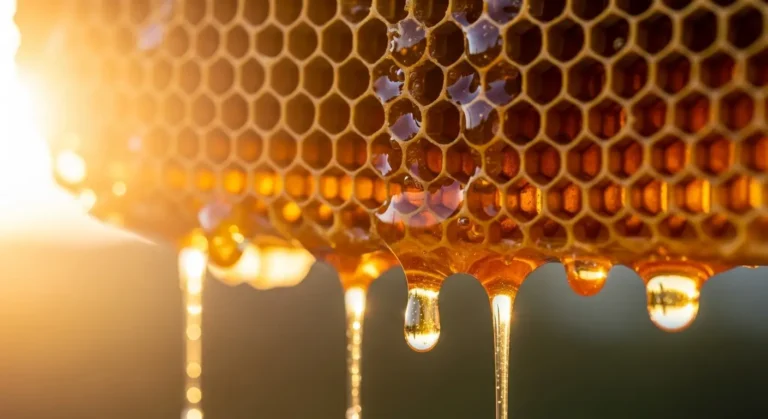
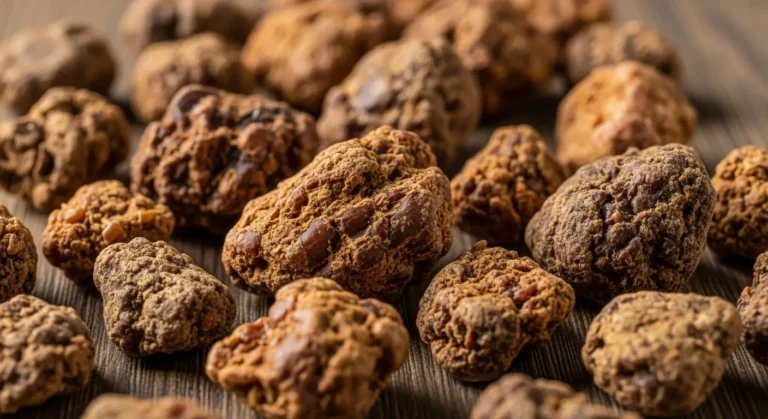
Bee venom is not a soldier of the hive working alone; its effect multiplies when used together with other products. For example, honey, known for its energy-giving property, provides the glucose the body needs during the treatment process. Pollen, a protein store, and bee bread (also known as perga), known as the bees’ “superfood,” offer the amino acids necessary for cell repair.
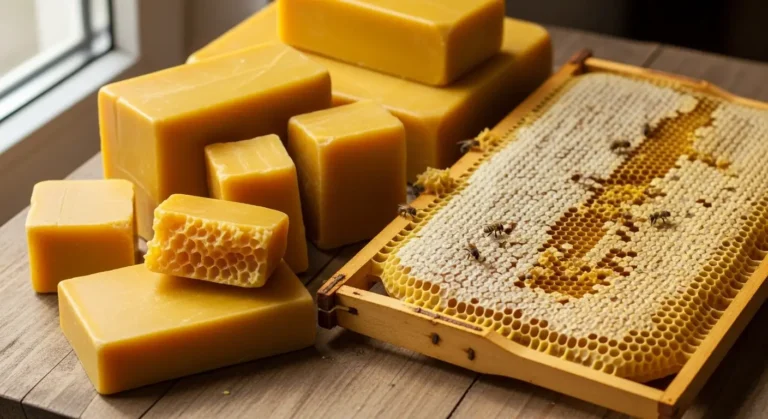
Propolis, responsible for the hive’s sterilization, supports immunity during venom treatment, while the queen bee’s food royal jelly carries body resistance to the peak. Even beeswax, used as a thickener in cosmetic creams, helps the venom stay on the skin for a longer time. Bee pollen supplements found in tablet or granule form in the market are also an important element supporting this treatment process from the inside. When all these products come together, the true power of apitherapy emerges.
Is Bee Venom Dangerous?
Beside its potential healing, the question is bee venom dangerous? should never be ignored. A small portion of the population has a genetic allergy to bee venom. In these individuals, the venom can create a sudden reaction called anaphylactic shock, which leads to the blockage of respiratory tracts.
For this reason, an allergy test must strictly be performed before starting treatment. Applications made unconsciously, outside of expert control, can lead to serious health problems. Adjusting the dosage correctly is the most critical factor ensuring the venom acts as a medicine, not a poison.