The Belfast bee is a high-yield hybrid strain that adapts perfectly to the climatic conditions of Anatolia, especially the transition zones of the Black Sea and Central Anatolia. In modern beekeeping, using a Belfast Queen Bee significantly simplifies management thanks to the colony’s calm temperament, low swarming tendency, and resistance to cold weather. Despite technical details such as the inability to obtain breeding efficiency from its swarms due to its hybrid character and a slightly higher water content in its honey, it stands out as one of the strongest options in commercial beekeeping with its rapid brood-rearing capability in spring.
Features of the Belfast Bee
High Adaptability: It adapts to almost every region of Anatolia; its performance is particularly high in the Black Sea and Central Anatolia transition zones.
Gentle and Calm Nature: It has a very calm character that facilitates beekeeping operations.
Low Swarming Tendency: Due to its genetic structure, the tendency to swarm is low, which reduces the workload in colony management.
Fast and Systematic Reproduction: It starts production quickly in the spring; it is known for its systematic brood distribution and strong brood-rearing features.
Climate Resilience: It shows high resistance to cold weather conditions.
Honey Characteristics: Compared to other bee breeds, the water content of the honey it produces is slightly higher.
Hybrid Limitation: Since it has a hybrid structure, full efficiency cannot be obtained from its own swarms (offspring) for new breeder production.
Morphological Structure and Appearance of the Belfast Bee
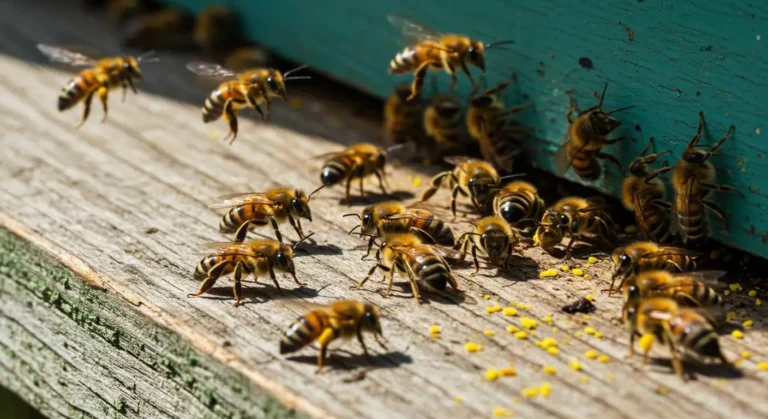
The physical characteristics of the Belfast bee possess an advanced biological equipment that enables its adaptation to different geographical conditions and harsh climates. The phenotypic (outward appearance) features of the Belfast Queen Bee and worker bees are shaped by the genetic diversity and resilience brought by being a hybrid line.
[Image of the honey bee anatomy]
The distinctive morphological and semantic details of the Belfast bee are as follows:
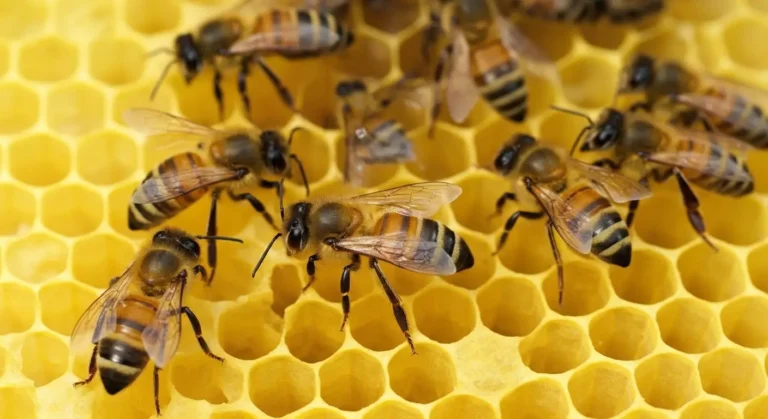
- Body Segments and Chitin Color: Belfast bees generally have a chitin (exoskeleton) color dominated by dark brown or black; however, golden yellow or orange transitional rings are typically observed on the abdominal (abdomen) segments.
- Abdominal Structure and Reproductive Capacity: The Belfast queen bee, which has a wide and voluminous abdominal structure, maximizes its strong brood-rearing and systematic brood distribution performance thanks to this morphological advantage.
- Thorax Development and Flight Performance: The bee’s chest (thorax) region is developed to house strong wing muscles; this structure allows it to exhibit high flight capability even in windy weather.
- Hair Cover (Pubescence): The dense and fine hair cover on the body surface provides thermal insulation, helping the bee exhibit a cold-resistant character and survive the winter months without losses.
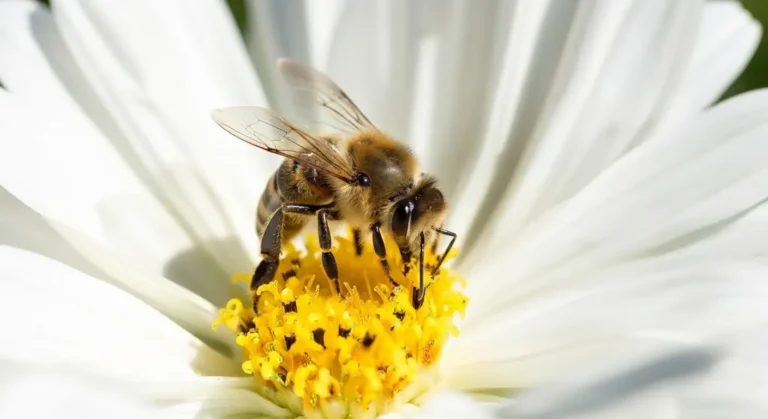
- Proboscis (Tongue) Length: The tongue structure, optimized for nectar collection efficiency, ensures high yields even from deep-tubed flowers in regions with dense floral diversity such as the Black Sea and Central Anatolia.
- Morphological Homogeneity: Since it is a hybrid breed, full homogeneity in outward appearance (color tones) is not sought; the selection priority is always on work discipline and calm structure rather than physical beauty.
Comparison of Belfast Bee with Other Bee Breeds
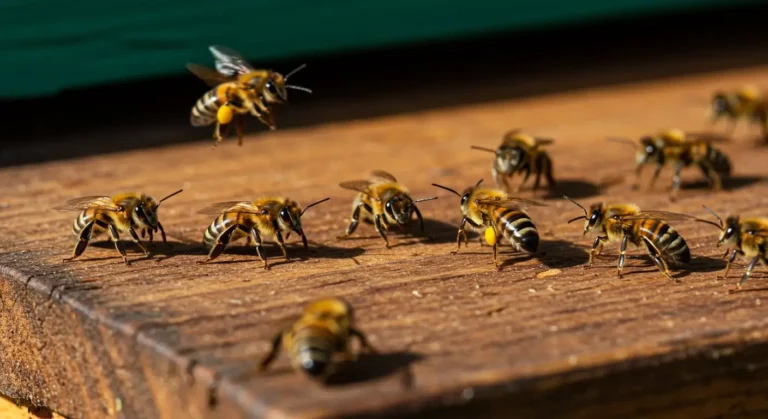
When choosing among bee breeds used globally and in our country, productivity, climate adaptation, and temperament are the most decisive factors. The Belfast Queen Bee offers certain advantages and disadvantages compared to pure lines because it is a hybrid line.
Below, the main differences between the performance characteristics of the Belfast bee and other important bee breeds are presented item by item:
- Belfast (Buckfast) Bee: It is a cold-resistant and very calm breed with high adaptation capability across Anatolia, especially in the Black Sea and Central Anatolia transition zones. The biggest difference from other breeds is its low swarming tendency and rapid brood-rearing capacity; however, the high water content in its honey and the fact that its swarms cannot be used as breeders due to its hybrid structure is an important distinguishing feature.
- Carniolan Honey Bee: It has a very calm structure like the Belfast and develops rapidly in the spring; however, unlike the Belfast bee, its tendency to swarm is much higher.
- Caucasian Bee: Known for its adaptation to cold climates and high altitudes; although the Belfast bee is also resistant to cold weather, the Caucasian Bee stands out with its overwintering success and honey capping quality.
- Italian Honey Bee: Similar to Belfast with its high brood-rearing speed; however, the Italian Honey Bee may not be as resilient as Belfast in harsh climates due to intensive winter consumption.
- Anatolian Bee: It is the native breed that best adapts to harsh conditions; however, the Belfast bee provides a commercial advantage with its docility and low swarming feature, in addition to being able to live in similar regions as the Anatolian Bee.
- Thracian Bee: A regional breed known for its docility and yield; however, unlike the Thracian Bee, the Belfast bee gives a more stable response to sudden climate changes in transition zones.
- West Aegean Bee: Specialized particularly in pine honey production; the Belfast bee has a more aggressive work discipline in flower honey production and evaluating short-term nectar flows than the West Aegean Bee.
- Cyprian Bee: Known for having a very fierce and aggressive structure; unlike the Cyprian Bee, the Belfast bee has a temperament calm enough to allow working without a mask.
- Syrian Bee: Very resistant to hot climates and drought; however, like the Belfast bee, its resistance to cold and humid weather is low.
- Persian Bee: As a regional variety, it may show low yield and high swarming tendency; at this point, the Belfast bee offers a much more stable production in modern and commercial beekeeping compared to the Persian Bee.
In light of these comparisons, the balanced performance offered by the Belfast bee in different geographies of Turkey (from the heat of the Aegean to the humid cold of the Black Sea) places it in a strategic position among other bee breeds.
Bee Breeds Performance Comparison Table
| Bee Breed | Temperament (Calmness) | Swarming Tendency | Brood Rearing Speed | Climate Adaptation | Key Difference / Critical Feature |
| Belfast (Buckfast) | Very Calm | Low | Very Fast | Cold and Humid (Black Sea/Central Anatolia) | Breeding yield cannot be obtained from its swarms due to its hybrid structure; honey water content is high. |
| Carniolan | Calm | High | Fast | Continental Climate | Develops very quickly in spring, but the risk of uncontrolled swarming is higher than Belfast. |
| Caucasian | Calm | Low | Slow / Medium | High Altitude and Harsh Winters | The breed with the longest tongue; superior overwintering ability but does not increase population as fast as Belfast. |
| Italian | Calm | Medium | Very Fast | Temperate Climate | Brood production is at its peak; however, it consumes a lot of honey in winter and is not as economical as Belfast. |
| Anatolian | Aggressive / Medium | Medium | Medium | Harsh Anatolian Conditions | The most resilient native breed; however, it lags behind Belfast in terms of docility and work discipline. |
| Cyprian | Very Aggressive | High | Medium | Hot and Arid | Unlike Belfast, it is not suitable for working without a mask; it is extremely aggressive. |
Belfast Honey Yield and Resistance to Diseases
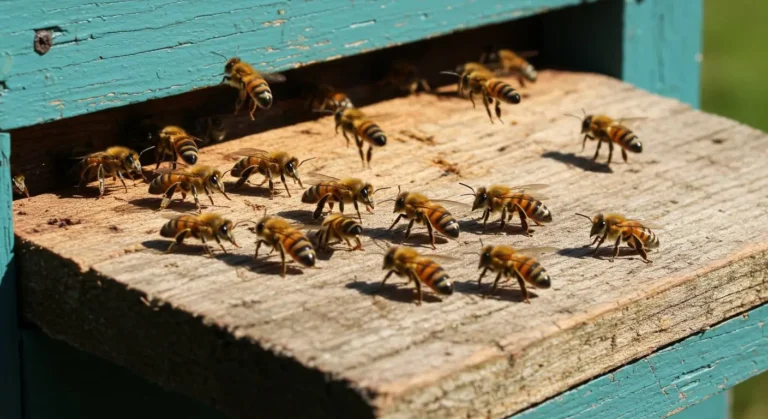
The Belfast bee is known in beekeeping literature for its high work pace and biological resilience, which allows it to be called a “honey machine.” The productivity capacity of this breed is directly related not only to its nectar collection speed but also to the resistance it exhibits against adverse environmental conditions.
Superior Honey Production Capacity
The success of the Belfast bee in honey yield is based on several genetically encoded key factors:
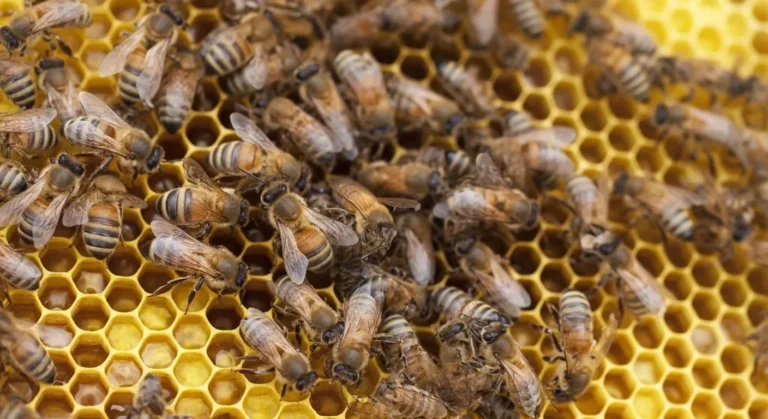
- Rapid Population Growth: Thanks to the rapid brood-rearing capability it exhibits in early spring, the hive population reaches maximum levels when the main nectar flow begins, which directly increases the amount of honey collected.
- Low Swarming Tendency: The bee’s low swarming characteristic ensures that the colony’s energy is spent entirely on storing honey rather than dividing.
- Nectar Evaluation: In regions with dense floral diversity, it has the ability to evaluate even short-term flows with high efficiency.
- Honey Characteristics: An important detail to note is that the water content in the honey produced by this breed is higher than in other breeds; this situation makes ripening monitoring critical during harvest.
Resistance to Diseases and Climate Conditions
The colony structure formed through the Belfast Queen Bee incorporates the immunity and adaptation features necessary for sustainable beekeeping:
- Cold Weather Resilience: Especially its cold-resistant structure minimizes losses during the overwintering process and helps the colony maintain its health in humid transition climates.
- Hygienic Behavior: Systematic brood distribution and the colony’s work discipline ensure the maintenance of intra-hive hygiene, creating a resistant environment against varroa and similar pests.
- Adaptation Power: The high adaptation it provides to almost every region of Anatolia keeps the breed’s defense mechanism strong against local pathogens.
| Criterion | Performance Status | Notes |
| Overwintering Success | Very High | Protects the winter cluster thanks to cold resistance. |
| Varroa Resistance | Medium – High | The structure is supportive of hygienic behaviors. |
| Honey Ripening | Requires Attention | Good ventilation is essential due to high water content. |
Strategic Choice of Modern Beekeeping
The Belfast bee ranks among the most important bee breeds determining productivity standards in modern beekeeping with its docile character and high work discipline. Using a Belfast Queen Bee makes it easier to control the colony’s swarming tendency, while its rapid brood-rearing capability allows for obtaining maximum yield during nectar flow periods.
Its superior adaptation capability and cold-resistant structure across Turkey make this breed an indispensable option in regions where climate transitions occur. Although there are limitations in sustainable breeder production due to its hybrid nature and the water content of the honey requires sensitive harvest management, the ease of colony management it offers for professional enterprises more than compensates for these disadvantages. In summary, for both hobby beekeeping and commercial production, the Belfast line is the cornerstone of a stable and profitable beekeeping journey.
A Field View of the Belfast Queen Bee: Real Experiences of Master Beekeepers
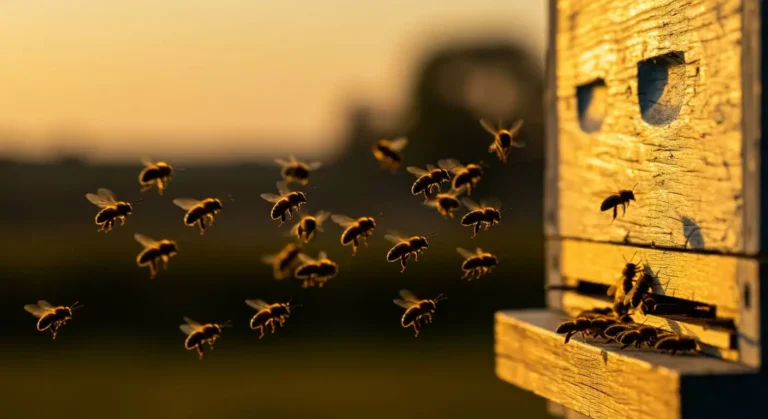
With the transition to a structure focused on productivity and genetic selection in modern beekeeping practices, the Belfast bee (Buckfast) has taken the top spot among the most discussed and experienced bee breeds among beekeepers. This report contains real data distilled from the field diaries and technical analyses of master beekeepers producing in different climate zones of Turkey. The Belfast Queen Bee is a modern beekeeping product created by the controlled combination of superior features of different geographical breeds with the principle of “hybrid vigor” (heterosis).
Field Comparison: Belfast and Other Bee Breeds
Field experiences of beekeepers are shaped by basic parameters that determine commercial sustainability such as honey yield, docility, and overwintering success.
- Honey Yield: The Belfast bee performs significantly above the Turkey average thanks to entering nectar flow periods with a very strong worker presence.
- Docility and Management: Its calm structure, which does not even require the use of a mask or smoker in beekeeping operations, is described as the greatest advantage by master beekeepers.
- Overwintering and Stock Management: It has the ability to use winter stocks sparingly; it becomes one of the breeds showing the fastest development as soon as it sees the spring sun.
| Comparison Criterion | Belfast | Carniolan | Caucasian | Italian | Anatolian |
| Honey Yield | 10 / 10 | 8 / 10 | 7 / 10 | 9 / 10 | 6 / 10 |
| Docility | 10 / 10 | 9 / 10 | 7 / 10 | 8 / 10 | 3 / 10 |
| Disease Resistance | 9 / 10 | 7 / 10 | 6 / 10 | 5 / 10 | 9 / 10 |
Real User Experiences: Questions and Answers
The Q&A section based on the practical field experiences of master beekeepers is below:
Will the character of the Belfast bee deteriorate if it mates with my native bees?
Yes, the biggest risk lies here. Since Belfast is a hybrid, its internal genetic balance is sensitive; if the hive produces its own queen with native or hybrid drones (F2 generation), usually an aggressive and unproductive generation emerges.
They say this bee eats a lot of honey, is that true?
This is an illusion, but it is based on a piece of real data. Since the Belfast bee builds a very large population, it can quickly consume its stocks to feed the existing workers during starvation periods when no nectar comes from outside; however, it more than compensates for its loss thanks to this large population when the nectar flow begins.
Is it possible to do beekeeping without a mask?
For Belfast, the answer to this question is often yes. Professional beekeepers state that they can open hives without masks, especially on hot and sunny days, and that the bees do not even move when you pull the frame.
Why do we get complaints that “Belfast died out in winter” in some regions?
The main reason for this is usually late-period brood-rearing and the associated Varroa load. If the beekeeper performs the autumn Varroa treatment late or enters the bee into winter with insufficient feeding, the hive faces the risk of dying out.
Is the Belfast bee suitable for all types of hives?
Since Belfast has an expanding colony structure, it definitely requires a super (addition) in standard Langstroth hives. Small hive volumes limit the potential of this bee and can cause the cramped bees to become aggressive.
Critical Disadvantages and Regional Analysis
- Aggression in the F2 Generation: The biggest complaint is that the bee, which is “gentle as a lamb” in the F1 generation, becomes extremely aggressive in the second generation formed as a result of uncontrolled hybridization.
- Honey Water Content: Especially in humid regions, the bee can be impatient about evaporating the moisture of the honey; therefore, the capping rate should be expected to exceed 90% for harvest.
- Regional Adaptation: While continuing to work in the heat in the Aegean is an advantage, being deceived by the “false spring” sun in Central Anatolia and rearing brood early can pose a risk.
In conclusion; the Belfast bee is the most powerful tool offered by modern beekeeping for professional enterprises that want to maximize honey production and have a systematic queen bee replacement discipline.