The Carniolan honey bee (Apis mellifera carnica) is one of the most preferred races by beekeepers worldwide due to its gentle nature and high work ethic. Originating from the Austrian Alps and the Northern Balkans, this special race is capable of collecting nectar even from deep-corolla flowers thanks to its proboscis length between 6.4 – 6.8 mm. Its low robbing tendency compared to other bee races and its rare confusion of its own hive (low drifting) ensure the stability of the colony. These “cool-headed” workers, capable of rapidly reaching populations of 16-22 thousand in early spring, are the cornerstone of modern beekeeping with their high honey yield and excellent adaptability to environmental conditions. So, what are the characteristics of the pure Carniolan queen bee, and what details make this race so efficient for honey production?
Characteristics of the Pure Carniolan Queen Bee
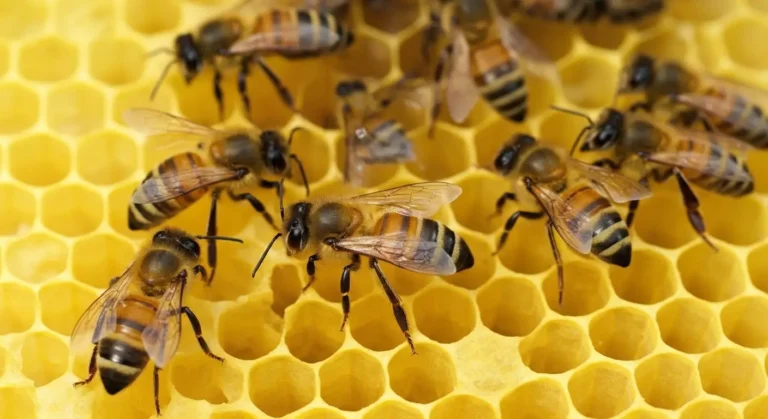
When examined morphologically, the pure Carniolan queen bee (Apis mellifera carnica) is generally characterized by a dark brown or black chitin color. Distinct grey rings and silvery hairs on the abdomen are the most important physical signs indicating the genetic purity of this race. Compared to other races, it possesses a more delicate, slender, and long body structure.
The superior biological feature of this race is its ability to synchronize its egg-laying capacity (brood rearing) with the nectar and pollen flow in nature. The pure Carniolan queen:
- Adaptive Brood Production: Shows explosive colony development with the start of pollen intake in spring, rapidly preparing the hive for the main nectar flow.
- Stock Conservation: Restricts egg-laying when food sources in nature diminish. This “economic” behavior allows the colony to preserve its winter stock and keeps honey consumption at a minimum level during winter months.
- Overwintering Ability: Thanks to its ability to overwinter in small clusters, its survival rate is high even in harsh climatic conditions.
Behavioral Traits of the Carniolan Queen and Colony Management
Apis mellifera carnica is known in the beekeeping world as the “gentlest bee race.” This calm temperament provides a significant advantage to the beekeeper during hive inspections; work can often be done without using intense smoker smoke or with minimal protective equipment requirements. Their remaining calm on the frames without becoming aggressive facilitates queen inspection and honey harvest.
The most critical point to consider in terms of colony management is this race’s natural swarming tendency. Since Carniolan colonies show explosive population growth in the spring, congestion within the hive can increase rapidly. This situation may cause the bee to instinctively construct queen cells and swarm. To manage this process:
- Early Supering: Expansion space (drawn comb or foundation) must be given to the colony in a timely manner before the nectar flow.
- Swarm Control: The population balance within the hive must be strictly monitored with swarm prevention techniques.
Other important behavioral traits and management advantages include:
- Orientation and Drifting: Their orientation skills are excellent. Forager bees almost never confuse their hives and enter others (drifting). This minimizes the risk of disease transmission and inter-hive robbing in the apiary.
- Wintering Strategy: They form a small cluster by reducing the population in winter months. This strategic behavior ensures the colony uses honey stocks extremely sparingly (economic wintering) throughout the winter.
- Propolis and Cleanliness: They use very little propolis inside the hive. This feature prevents frames from sticking together excessively and offers the beekeeper a cleaner opportunity for hive maintenance.
Honey Yield and Ecological Adaptation of the Carniolan Queen Bee
The Carniolan race (A. m. carnica) is one of the highest-performing genotypes known for high honey yield and preferred in commercial beekeeping worldwide. The basis of this efficiency lies in the perfect synchronization of the queen bee’s egg-laying strategy with the main nectar flow.
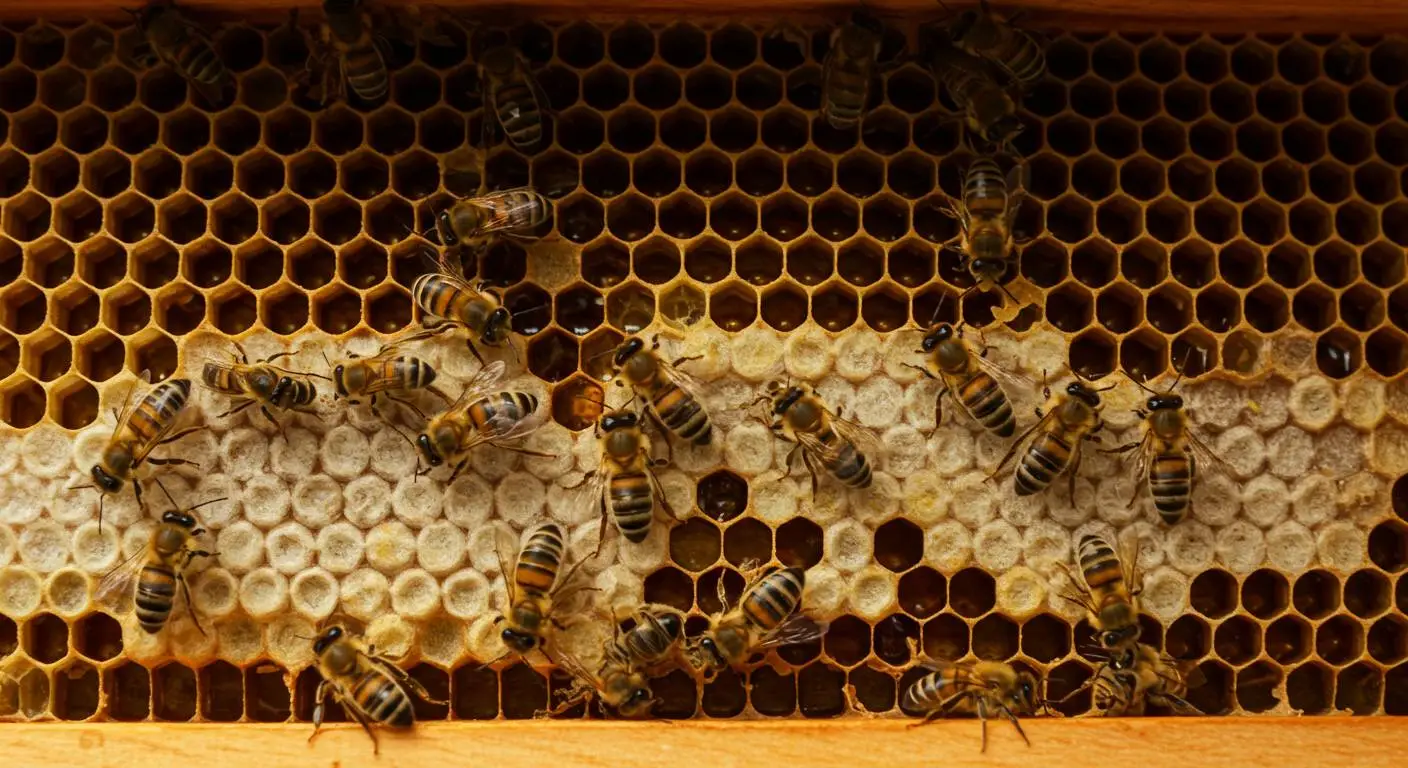
Carniolan colonies show rapid colony development as soon as they emerge from the winter cluster. In this way, when the nectar flow peaks in nature, the hive possesses the maximum number of forager bees. Instead of developing population during the honey flow like the Italian race, it prepares the workforce before the flow, so collected nectar is directly converted into honey and stored.
Other factors enhancing ecological adaptation and efficiency include:
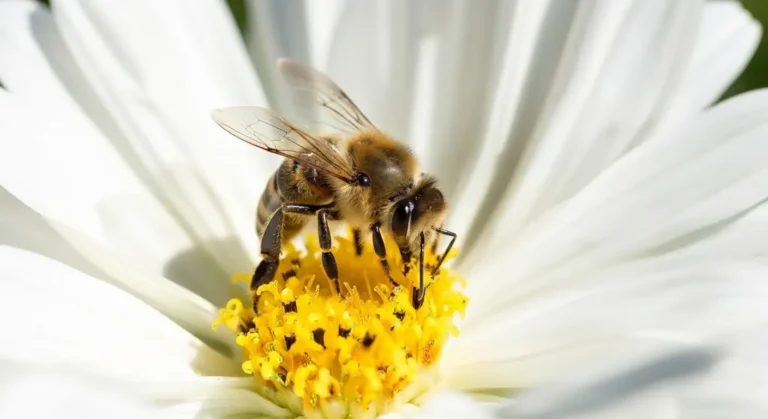
- Long Tongue Structure and Flora Access: A tongue length between 6.4 and 6.8 mm allows it to obtain nectar from deep-corolla flowers (such as alfalfa and acacia) that other bee races cannot reach.
- Cold and Humid Climate Adaptation: Since it originates from the Alps, they continue to go out to the field to collect nectar even at low temperatures and in light rainy weather when other races do not leave the hive.
- Economic Wintering: They react quickly to natural conditions. During drought periods or when nectar ceases, the queen bee stops brood rearing, increasing the survival rate during winter months.
Comparison of the Carniolan Bee with Other Bee Races
- Carniolan Bee (Apis mellifera carnica): The reference point; the gentlest and most “cool-headed” bee race. Shows explosive spring build-up. Consumes very little honey (economic wintering) and has excellent orientation skills.
- Caucasian Bee (Apis mellifera caucasia): Gentle like the Carniolan, but the main difference is tongue length (7.2 mm). Although advantageous in deep-corolla plants, it develops much later in the spring and carries excessive propolis.
- Italian Bee (Apis mellifera ligustica): Known for its yellow color. Its fundamental difference from the Carniolan is that it does not stop brood rearing even if nectar flow stops, leading to excessive honey consumption in winter.
- Anatolian Bee (Apis mellifera anatoliaca): Perfectly adapted to harsh continental climates. Its wintering ability is as good as the Carniolan, but it can be more defensive.
- Buckfast Bee: A hybrid race known for high honey yield and disease resistance. However, it lacks the genetic stability of the Carniolan Bee; aggression may be seen in subsequent generations (F2).
- Thracian Bee: Genetically very close to the Carniolan race and adapted to sunflower nectar flow.
- West Aegean (Muğla) Bee: An ecotype specialized for pine honey production. Compared to the Carniolan, it has a quite aggressive structure and a higher swarming tendency.
Key Feature Comparison of Carniolan and Other Races
| Comparison Criterion | Carniolan Bee (A. m. carnica) | Other Races (General Comparison) |
| Temperament | Extremely gentle and calm. | Generally more defensive or moderately gentle. |
| Spring Development | Explosive speed in early development. | Slow development (Caucasian) or continuous development (Italian). |
| Wintering Strategy | Engages in economic wintering; low consumption. | High population in winter and excessive honey consumption (Italian). |
| Swarming Tendency | High. Requires strict monitoring. | Medium or low. |
| Orientation Ability | Excellent. Drifting is rare. | Weak and prone to confusion (Italian). |
Field View of the Carniolan Queen Bee: Real Experiences of Master Beekeepers
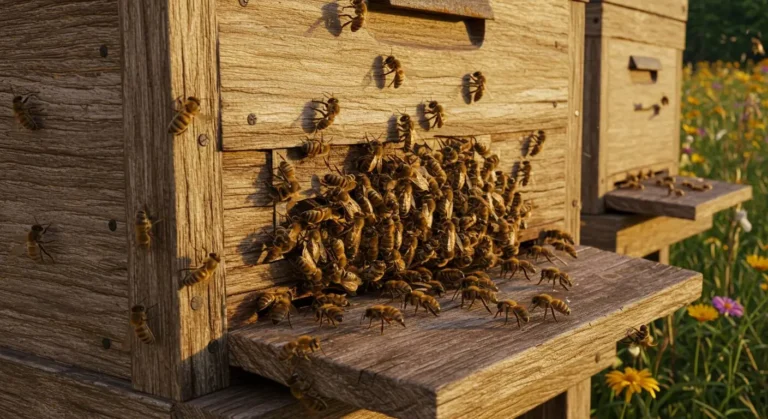
Biological Infrastructure: Adaptation Process from the Alps to Anatolia
The biggest crisis experienced in the field is the problem of genetic purity. The satisfaction level of beekeepers is directly proportional to the purity degree (F0, F1) of the queens they hold.
The Swarm Myth: Does “Carniolan Tire You Out”?
The beekeeper who says “I’ll add a super when the bees cover 10 frames” using traditional methods is already too late for the Carniolan.
- Early Supering: Foundation sheets should be given at 7-8 frames.
- Young Queens: High pheromone strength suppresses the swarming impulse.
- Wrong Intervention: After the bee enters “swarm fever,” clearing cells is a futile effort. The bee stops honey production.
Docility and the F2 (Granddaughter) Trap
- F0 and F1 Generations: Allow working without a veil.
- F2 Danger: When second-generation (F2) queens mate with local aggressive drones, monsterized colonies can emerge.
Wintering and Honey Consumption: The “Voracious Bee” Myth Collapses
| Feature | Carniolan / Carpathian Bee | Italian Bee |
|---|---|---|
| Wintering Population | Low (Tight cluster) | High (Does not stop brood) |
| 6-Month Consumption | 5.5 – 6 kg (Thrifty) | ~9.3 kg (High Consumption) |
| Winter Loss Rate | 35% (More resistant) | 52% (Risky) |
| Spring Behavior | 400% growth | Standard growth |
Regional Failure: Heat and Climate Stress
- Heat Exhaustion: In regions with high humidity and temperature (40°C+), the Carniolan bee cannot cool the hive effectively.
- Continental Climate Risk: In regions with extreme cold, since the Carniolan stops brood rearing late in autumn, it may carry the risk of freezing to death over the brood by failing to break the cluster in sudden colds.
Efficiency Comparison: Is It Worth It?
| Race / Ecotype | Annual Average Honey Yield |
|---|---|
| Italian Bee | 29 kg |
| Carniolan Bee | 28 kg |
| Aegean (Native) Bee | 26 kg |
Frequently Asked Questions
1. My Carniolan hive constantly builds queen cells. What should I do?
Once “swarm fever” starts, clearing cells won’t work. Take the existing queen with 2 frames and perform an artificial split.
2. What happens if I use queen bees (F2) I produced myself?
Aggression and low yield are inevitable. Procure clean breeding stock (F1) every 2 years.
3. Do they die of starvation in winter?
No, they consume the least in winter. However, the risk is in early spring. The rapid population explosion can consume stocks in days if they cannot forage due to rain.
5. Does the Carniolan bee engage in robbing?
They are opportunistic. Narrow hive entrances during famine periods and perform syrup feeding in the evening.
Not a Miracle, but the Art of Management
If you renew queen bees every 2 years and perform disciplined swarm control, Carniolan provides record honey yields. However, if you are in extremely hot regions, local native races are a better choice.