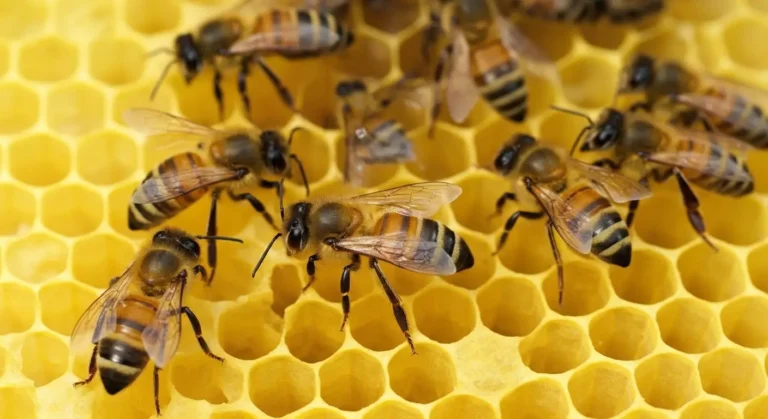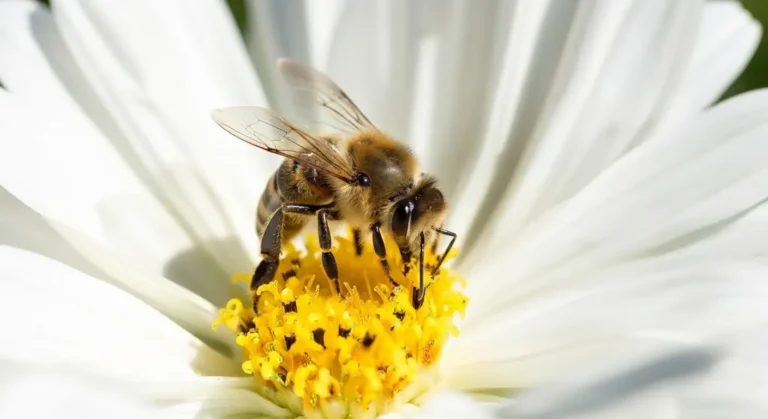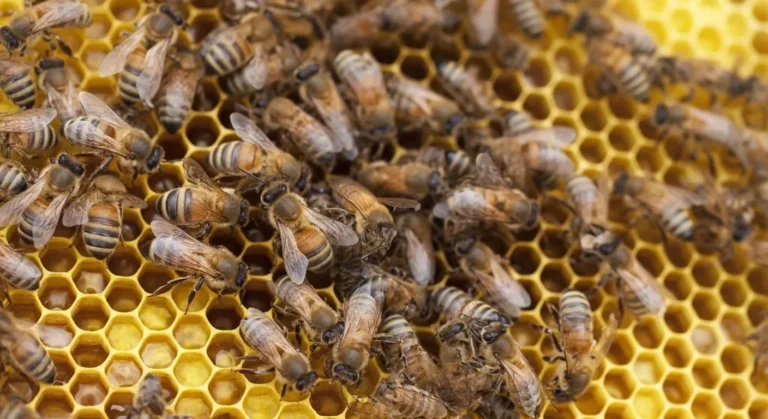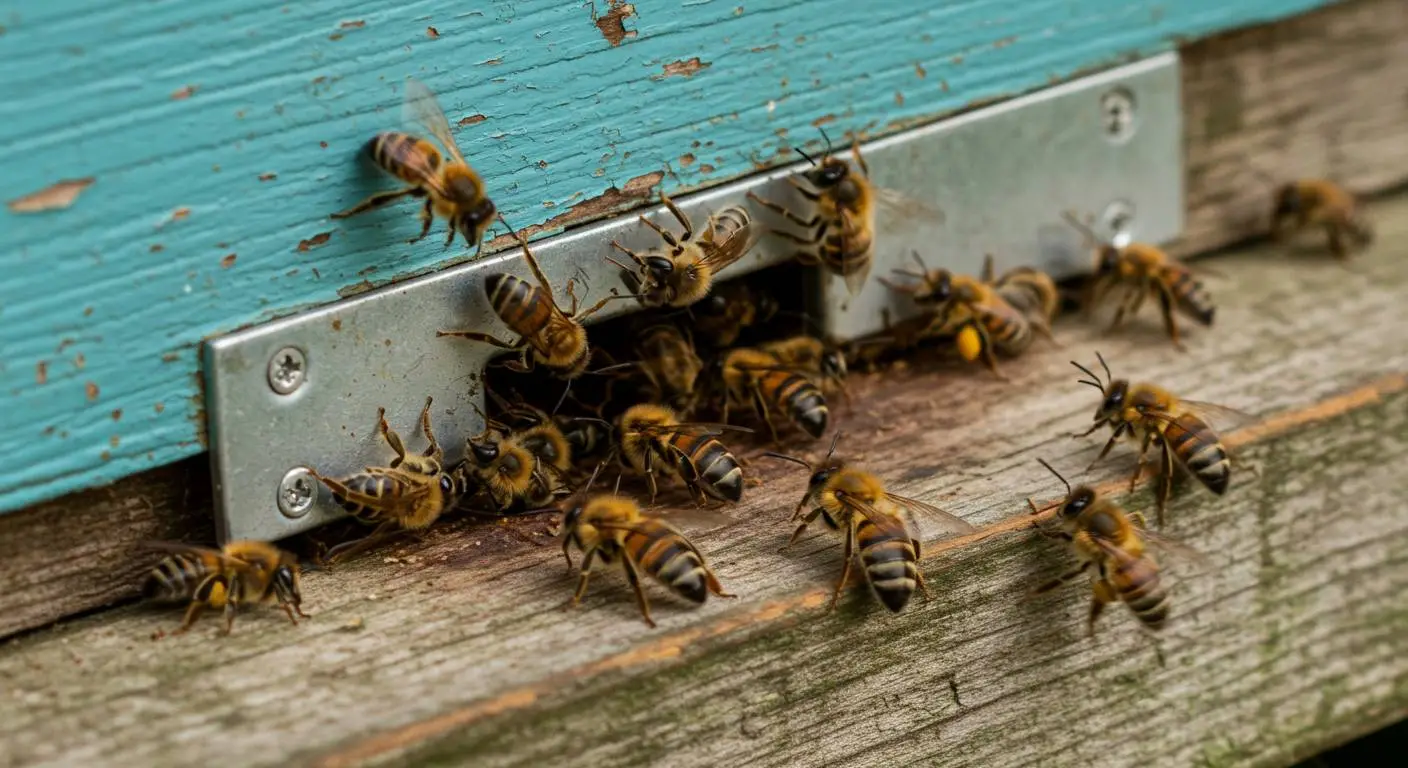
The Carpathian honey bee (Apis mellifera carpatica) is a bee breed characterized by its silvery gray tones and exceptional overwintering ability, successfully maintaining colony presence in challenging terrains at altitudes of 700 meters and above. Possessing the longest proboscis structure after the Caucasian bee, this species is a strategic choice for high honey yield targets in beekeeping due to its gentle temperament, disease resistance, and rapid early spring buildup. While it has low adaptation to hot climates, it is recognized as one of the highest quality breeds for cold climates and mountain beekeeping.
Carpathian Queen Bee Features
The most fundamental factor determining colony success and honey productivity in beekeeping is the quality of the queen bee, the genetic engine of the colony. The Carpathian queen bee features list we have prepared for professional beekeepers clearly demonstrates why this breed is considered a “cold climate champion”:
- High Altitude Performance: Due to its genetic structure, it can live without issues and offer high yields at high elevations of 700 meters and above.
- Climate Sensitivity: Although extremely resistant to cold, it may struggle to maintain its life in hot climates.
- Overwintering Capability: It is a species with a very high wintering ability, capable of adapting to even the harshest and most freezing climatic conditions.
- Morphological Superiority: Being the second breed with the longest tongue structure in nature after the Caucasian bee, it can collect nectar even from deep-tubed flowers.
- Physical Appearance: As a distinguishing feature, its body structure consists of silver and gray color tones.
- Durability and Immunity: It has a quite robust constitution and exhibits a disease-resistant structure against ailments that weaken the colony.
- Production Habits: While it has the capacity to store royal jelly, its propolis collection ability is lower compared to other breeds.
Carpathian Bees vs. Other Bee Breeds: What Are the Key Differences?
There are many different bee breeds worldwide that manage honey production and pollination processes. However, sustainable success in beekeeping comes from selecting the genetics most suitable for the region’s climate. At this point, Carpathian queen bee features offer distinct advantages over other breeds, especially in cold and high-altitude regions.
Below, the primary differences between the Carpathian bee and other popular bee breeds are explained with technical details:
- Carniolan Bee (Apis mellifera carnica): Although it shows similarities with its silvery gray tones, the Carniolan Bee prefers milder mountain climates compared to the Carpathian bee’s extreme winter resistance in regions at altitudes of 700 meters and above.
- Caucasian Bee (Apis mellifera caucasia): The leader in terms of tongue length, the Caucasian Bee is just ahead of the Carpathian bee; the Carpathian bee, as the breed with the second longest tongue structure in nature, exhibits similar efficiency to the Caucasian Bee in reaching deep nectar sources.
- Italian Bee (Apis mellifera ligustica): Representing hot climates and rapid population growth, the Italian Bee can experience high colony losses in harsh winter conditions, unlike the Carpathian bee; the Carpathian bee survives freezing temperatures where the Italian Bee struggles, thanks to its high overwintering ability.
- Anatolian Bee (Apis mellifera anatoliaca): Adapted to the steppe conditions of Central Anatolia, the Anatolian Bee may exhibit more aggressive behavior compared to the Carpathian bee’s gentle character and disease-resistant nature; this makes the Carpathian bee an easier-to-control option than the Anatolian Bee.
- Buckfast Bee: An improved hybrid, the Buckfast Bee is known for high honey yield; however, the Carpathian bee, being a pure breed, maintains its strong immune system gained through natural selection across generations, unlike the Buckfast Bee.
- Thracian Bee: Compared to the Thracian Bee, which is compatible with the humid structure of the Marmara region, the Carpathian bee shows faster early spring buildup, especially in mountainous terrains, reaching honey collection maturity earlier than the Thracian Bee.
- Western Aegean (Muğla) Bee: Specializing in pine honey production and the hot coastline, the Western Aegean (Muğla) Bee may experience performance drops in high-altitude plateaus, unlike the Carpathian bee; conversely, the Carpathian bee may face adaptation issues in extreme heat below 700 meters, unlike the Muğla Bee.
- Cyprian Bee (Apis mellifera cypria): Adapted to arid and island climates and being a quite aggressive species, the Cyprian Bee is diametrically opposed to the gentle temperament and work discipline offered by the Carpathian bee; the Carpathian bee focuses on high mountain cold rather than extreme heat like the Cyprian Bee.
- Syrian Bee (Apis mellifera syriaca): Resistant to the heat of the desert climate, the Syrian Bee cannot meet the cold climate and high altitude requirements needed by the Carpathian bee; the Carpathian bee successfully preserves colony existence in freezing winters where the Syrian Bee could not survive.
- Persian Bee (Apis mellifera meda): Native to the Middle East, the Persian Bee falls behind the Carpathian bee in efficiency tests outside its region when compared to the Carpathian bee’s silvery gray tones and genetic purity, which is considered one of the highest quality breeds.
Critical Factors to Consider in Carpathian Queen Bee Rearing
To establish a sustainable apiary and achieve maximum honey yield, choosing the right breed is not enough; one must also correctly manage that breed’s genetic needs. Considering the Carpathian queen bee features, focus should be placed on these critical factors to get full performance from this breed:
- Geographical Location and Altitude Compatibility: The Carpathian bee is a “mountain specialist.” To achieve the highest efficiency, it is vital to locate the operation at altitudes of 700 meters and above.
- Temperature Control: This breed is genetically focused on the cold; therefore, it should be noted that it may experience colony collapses or adaptation problems in hot climates.
- Overwintering Management: The wintering ability of the Carpathian bee is very high; however, during this process, the colony’s current stocks and winter cluster arrangement must be meticulously monitored.
- Selection of Nectar Areas: Having the longest tongue after the Caucasian bee provides a great advantage in pastures with wide-tubed flowers. Rich flora tracking should be performed to utilize this morphological advantage.
- Disease Monitoring and Hygiene: While the breed’s resistance to diseases is an advantage, modern beekeeping rules should not be compromised, and the strong immune structure should be supported by regular checks.
- Production Focus: In this species, which has a high royal jelly storage capacity, production planning (focused on honey and royal jelly) should be made knowing that its propolis collection ability is low.
- Early Spring Maintenance: In these colonies showing rapid early spring buildup, timely supering and space expansion processes must be applied to avoid narrowing the queen bee’s egg-laying area.
Carpathian Bee and Other Bee Breeds Comparison Table
This table compares the Carpathian queen bee features with the productivity criteria of other popular breeds in the world based on scientific and technical data:
| Bee Breed | Primary Color / Appearance | Strongest Trait | Climate and Altitude Compatibility | Proboscis Length and Honey Yield |
| Carpathian Bee | Silvery Gray | High Overwintering Ability | Above 700m Altitude / Severe Cold | 2nd longest proboscis / Very High |
| Caucasian Bee | Dark / Black | Longest Proboscis Structure | High Altitude / Humid Cold | Highest proboscis length / Very High |
| Carniolan Bee | Silvery Gray | Gentleness and Rapid Buildup | Medium and High Altitude / Mild Mountain | Long / High |
| Italian Bee | Yellow / Golden | Very Fast Brood Rearing | Low Altitude / Hot Climate | Medium / High (Requires abundant flora) |
| Buckfast Bee | Mixed (Hybrid) | Hygienic Behavior / High Yield | Wide Adaptation (Improved) | Medium-Long / Very High |
| Anatolian Bee | Brown / Dark | Resilience and Thriftiness | Steppe / Harsh Continental Climate | Medium / Medium-High |
| Muğla Bee | Dark | Pine Honey Specialist | Coastline / Extreme Heat | Medium / Unrivaled in Pine Honey |
Why Choose the Carpathian Bee?
Sustainable success in beekeeping depends on using the genetics most compatible with the regional ecosystem. As a result of analyses, Carpathian queen bee features make this species the “absolute champion” of regions with challenging terrains and harsh winters. Capable of bringing colonies out of winter with minimum loss in settlements at altitudes of 700 meters and above, the Carpathian bee utilizes the first nectar flow offered by nature most efficiently thanks to its rapid early spring buildup.
This breed, which can collect nectar even from deep-tubed flowers with the longest tongue structure after the Caucasian bee, facilitates apiary management with its gentle temperament while minimizing medication use with its disease-resistant structure. Although it faces adaptation difficulties in hot climates and has limited propolis collection ability, the Carpathian bee remains one of the highest quality breeds and most strategic choices for high honey yield targets in modern beekeeping.
Field Perspective on Carpathian Queen Bees: Real Experiences of Master Beekeepers
The beekeeping sector has entered a much more selective period regarding breed choice due to global climate change and regional ecological differences. Especially in a geography like Turkey, where high plateaus and hot coastlines intersect, Carpathian queen bee features are of vital importance not only for honey yield but also for winter hardiness, low food consumption, and disease resistance. Originating from the Carpathian Mountains, Apis mellifera carpatica is defined by master beekeepers in the field as the “hardworking soldier of cold climates.”
Real Field Experiences: High Altitude and Wintering Performance
The greatest reputation of the Carpathian bee in the field is its incredible resistance to harsh winter conditions. Data from the field proves that at altitudes of 700 meters and above, where day-night temperature differences are sharp, this bee establishes a clear superiority over other commercial bee breeds.
- Winter Cluster and Metabolic Savings: When entering winter, the Carpathian bee forms its cluster very tightly, protecting the core temperature with minimum food consumption.
- Mortality Rates: In field research, the winter mortality rate of the Carpathian bee was recorded at 35%, while this rate rises to 52% in the Italian Bee and 49% in local breeds.
- Economic Stock Consumption: Carpathian colonies consume an average of 52 grams of honey daily, while the Italian bee consumes 58 grams. In total, the Carpathian bee can emerge from winter with approximately 9 kg of stock remaining.
| Wintering Parameter | Carpathian Bee (A. m. carpatica) | Italian Bee (A. m. ligustica) |
| Winter Mortality Rate | 35% | 52% |
| Daily Honey Consumption | 52 grams | 58 grams |
| Total Consumption During Winter | ~9.0 kg | ~9.3 kg |
Carpathian Bees vs. Other Bee Breeds: What Are the Key Differences?
According to field observations by master beekeepers, the Carpathian bee develops as fast as the Carniolan Bee and collects honey like the Caucasian Bee. Here is the technical comparison:
- Aggression and Management: The Carpathian bee is one of the calmest breeds in the world. It stays more stationary on the frame compared to the Caucasian Bee and is as gentle as the Carniolan Bee.
- Swarming Tendency: While the Carniolan Bee has the highest swarming tendency in the world, the Carpathian bee is much more balanced and at “normal” levels in this regard.
- Proboscis Length: With a tongue length between 6.3 mm and 7.0 mm, it is the second longest-tongued breed in nature after the Caucasian Bee; this allows it to easily reach deep flower nectars.
- Robbing: Unlike the Italian Bee, its robbing tendency is very low, and its hive defense is extremely successful.
Critical Factors to Consider in Carpathian Queen Bee Rearing
Field experiences show that the success of this breed depends on specific conditions:
- Altitude Limit: For the highest efficiency, it is recommended to locate apiaries at a minimum altitude of 700-800 meters.
- Hot Climate Risk: In hot regions such as the Aegean and Mediterranean, the work pace drops, and the wintering balance is disrupted.
- Propolis Deficiency: The weakest point of the Carpathian bee is its very low propolis collection ability; this situation requires extra attention for hive hygiene.
- Rapid Development: Since it reaches a pace of 2000-2500 eggs daily in early spring, it is essential for the beekeeper to quickly add supers to expand the hive volume.
Field Q&A
Is it resistant to Varroa and diseases?
It has a high natural immunity particularly against Nosema spores; however, routine Varroa management should still not be neglected.
Is it possible to find pure Carpathians in Turkey?
The prevailing view in the field is that breeders are generally F1 hybrids; however, even these hybrids are highly productive due to high “hybrid vigor” (heterosis).
What is the cost of winter feeding?
Since it consumes 11.5% less food than the Italian bee, your wintering cost is quite low.
Technical Advice from the Master
The experience of master beekeepers has proven the Carpathian bee to be the hardworking soldier of cold climates. If your apiary is on a high-altitude plateau, the Carpathian bee is a candidate to be the honey champion; however, it may cause disappointment in coastal strips and with uninformed maintenance.