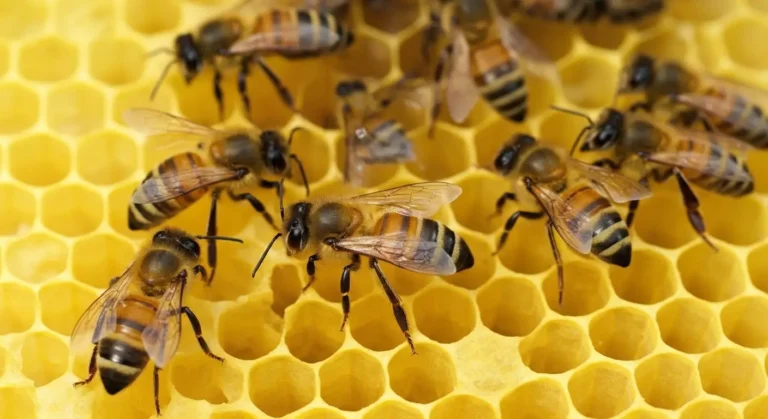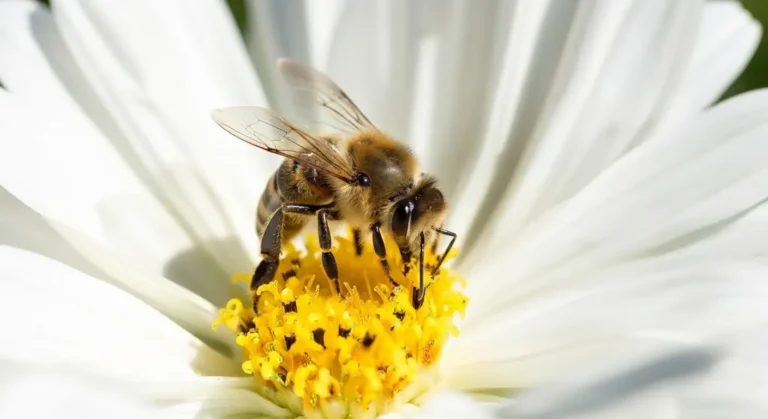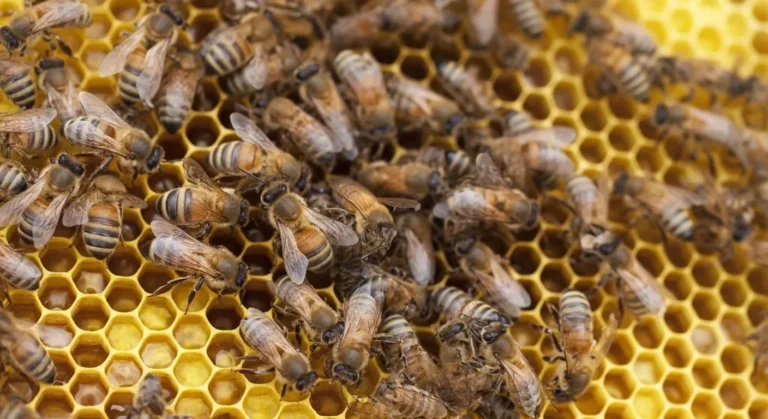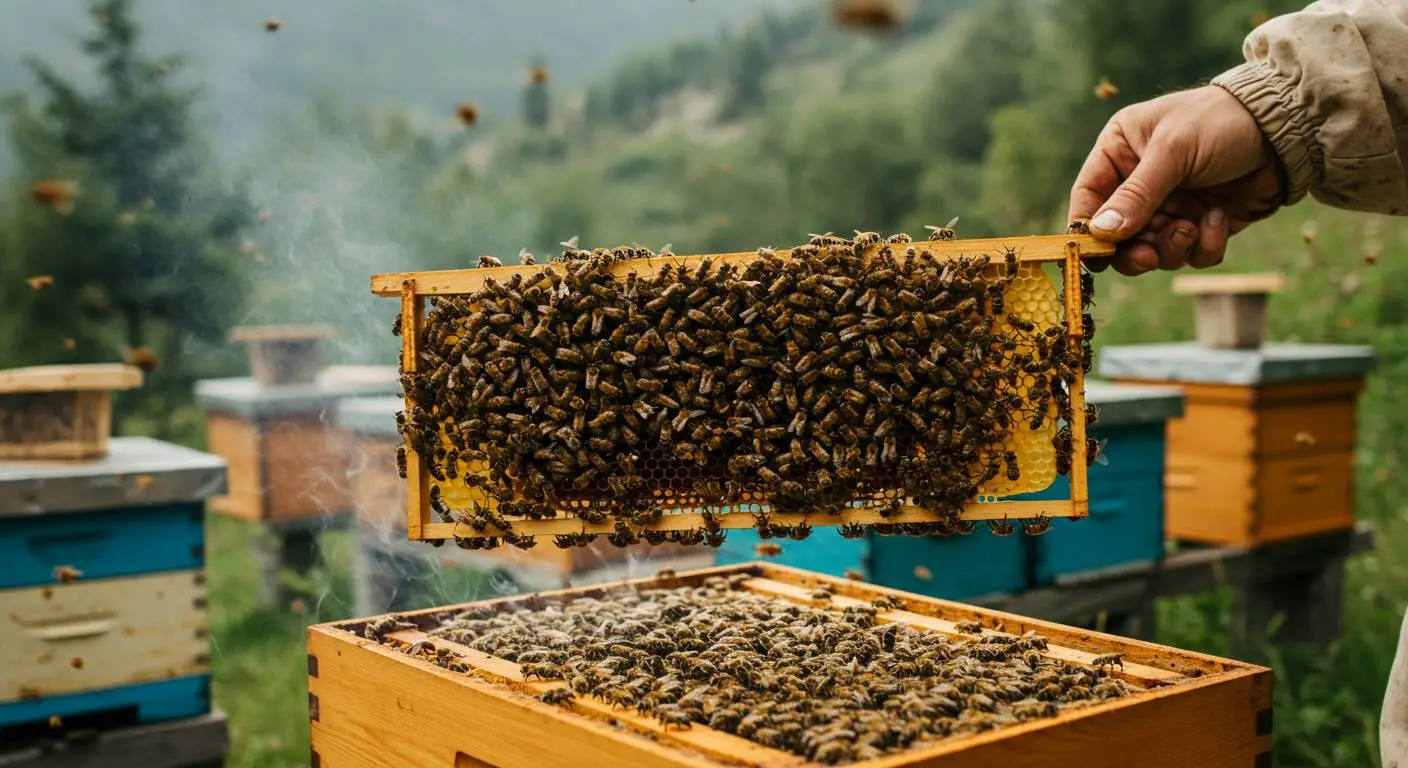
Caucasian Honey Bee; scientifically known as Apis mellifera caucasia, is the bee breed with the world’s longest tongue and the highest nectar collection capacity, native to the Central Caucasus, with an average tongue length reaching up to 7.2 mm.
This breed, specially adapted to the high-altitude geography of the Artvin and Ardahan (Posof) regions, is known for its ability to benefit from deep-tubed flowers that other bees cannot reach, its strong structure resistant to cold climates, and its heavy use of propolis for hive insulation. Its gray-colored hair, black abdominal rings, and docile temperament are the most distinct morphological and behavioral characteristics that set it apart from other breeds.
Caucasian Honey Bee Characteristics
- Tongue Length: It has the longest tongue among bee breeds; their tongue lengths average between 6.6 – 7.2 mm.
- Nectar Collection: Thanks to their long tongues, they can collect nectar from deep-tubed flowers that other bees cannot reach.
- Physical Structure: They have a larger body structure compared to other bee breeds.
- Color Features: The chitin (outer shell) color is dark brown or black. Especially in the mountainous Caucasian types, all abdominal (belly) rings are black.
- Hair Structure: Leaden gray color is dominant in the hair. Hair length is genetically short (0.30 – 0.40 mm).
- Climate Resistance: They are extremely resistant to cold climate conditions.
- Productivity: It is one of the four most productive bee breeds in the world.
- Behavior (Robbing): During periods when honey and nectar flow is low in the environment, their robbing tendencies are high. Therefore, one must be quick when working in the apiary.
How to Identify a Caucasian Bee? (Morphological Features)
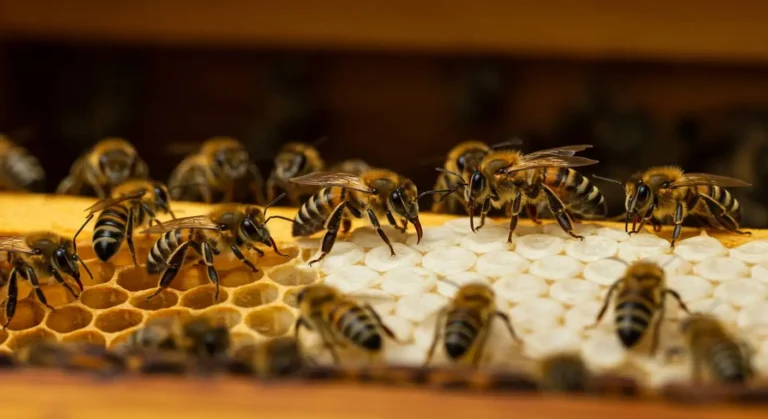
To distinguish the Caucasian bee from other breeds, looking at its color alone is not enough. The following physical features highlighted in visuals and literature are the identity of a pure Caucasian bee:
- Body Structure and Color: Chitin color is generally dark brown or black. In the pure breed, there are no yellow stripes on the abdominal rings; the thoracic hairs are distinctly in leaden gray (ash-colored) tones.
- Long Tongue Advantage: While the tongue length in other bee breeds is around 6 mm on average, this length reaches up to 7.2 mm in the Caucasian bee. This feature is the most distinguishing difference that allows it to obtain nectar from deep-tubed plants such as alfalfa and clover.
- Wing and Leg Structure: Wing vein indices and hooked structures have evolved specifically for long-distance flights and carrying heavy nectar loads.
Behavioral Traits and Temperament
One of the biggest factors in choosing the Caucasian bee is its temperament, which provides ease of work.
- Docility: It is one of the two most docile bee breeds in the world. Hive inspections can be done even without using smoke, which provides great ease of work and comfort for the beekeeper.
- High Propolis Collection Ability: They give extreme importance to hive hygiene. During the winter preparation period, they use much more propolis (bee glue) than other breeds to narrow the hive entrance and close cracks.
- Robbing Tendency: During periods of low nectar flow, their tendency to steal honey from other weak hives (robbing) is high. This situation requires careful work in the apiary during harvest and maintenance periods.
Climate Resistance and Overwintering Ability
As a natural result of its native high-altitude and harsh climate regions, the Caucasian bee possesses superior resistance to cold. This genetic heritage provides it with the following advantages:
- Late Awakening: It wakes up a bit later in the spring compared to other breeds. Although this may seem like a disadvantage, it is actually an evolutionary advantage that protects the bee from unstable weather conditions and sudden spring frosts.
- Strong Overwintering: It forms the winter cluster very successfully and spends the winter consuming little honey.
- Rapid Brood Rearing: The queen bee starts rapid brood rearing (egg-laying) during the period when the nectar flow begins, quickly bringing the colony population to “full strength” level.
Where Does the Pure Caucasian Bee Grow? (Posof and Artvin Ecotype)
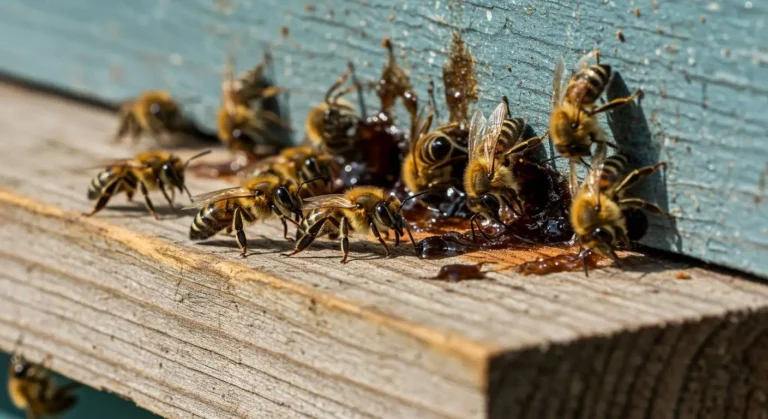
Maintaining the genetic purity of the Caucasian bee is of great importance for the sustainability of the breed. The regions accepted as the gene center of this breed in Türkiye and taken under protection are:
- Artvin (Camili – Maçahel): It has preserved its pure genetics due to being a biosphere reserve area and its geographical isolation.
- Ardahan (Posof): Known for its high altitude and rich flora, Posof hosts one of the most resistant and productive ecotypes of the Caucasian Bee.
Caucasian Queen Bee and Features
The Caucasian Queen Bee, considered the key to success in beekeeping, has a genetic heritage that directly determines the strength and honey yield of the colony. The most important reasons why it is preferred especially by commercial honey producers are these superior qualities of the queen bee:
- Low Swarming Tendency: One of the biggest advantages of the Caucasian breed is its very low tendency to swarm. While other breeds tend to divide (swarm) when the colony gets crowded, the Caucasian queen bee keeps the colony together. In this way, the beekeeper does not lose strength through bee division mid-season and directs the existing worker bee workforce entirely toward honey production.
- High Egg-Laying Capacity: After emerging from the winter cluster, the queen bee starts laying eggs rapidly in parallel with the nectar and pollen flow in nature. At the peak of the season, she can lay 1500 – 2000 eggs per day. This performance ensures the colony enters the main nectar flow period with “maximum strength.”
- Loyalty to the Hive: Caucasian queen bees and their colonies are extremely attached to their hives. Even in cases of disease, famine, or disturbance, their tendency to abandon the hive (absconding) is almost non-existent.
- Breeding Value: When pure Caucasian queen bees are used as the paternal or maternal line in crossbreeding studies (hybrid production), the working performance and vitality of the resulting F1 hybrids are quite high.
Other Common Bee Breeds in the World and Türkiye
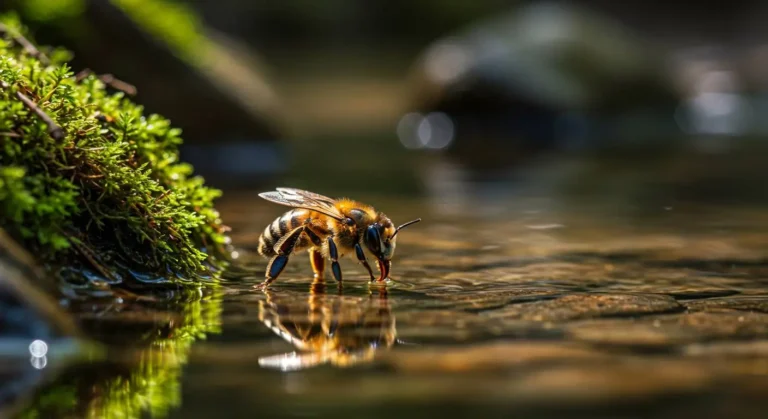
There are many bee breeds in beekeeping activities that differ in terms of yield, resistance to climate conditions, and adaptation to flora. In addition to the Caucasian bee, other important breeds that stand out with their regional adaptation abilities and morphological features include:
- Carniolan Bee (Apis mellifera carnica): Most similar to the Caucasian breed in its docility and calmness, the Carniolan bee is known for developing very quickly, especially in early spring, and overwintering by consuming little honey.
- Italian Bee (Apis mellifera ligustica): One of the most widely kept breeds in the world, the Italian bee is known for its bright yellow color and extremely high egg-laying capacity; however, its honey consumption in winter is very high.
- Anatolian Bee (Apis mellifera anatoliaca): Adapted to the harsh climate conditions of Türkiye for thousands of years, the Anatolian bee is our most important local gene resource with its resistance to diseases, overwintering ability, and industriousness in nectar collection.
- Buckfast Bee: A hybrid breed, the Buckfast bee is known for its high resistance to diseases, calmness, and high honey yield potential; however, since it is an artificial breed, its genetic characteristics may vary.
- Thracian Bee (Regional Ecotype): Genetically very close to the Carniolan breed, the Thracian bee is a local ecotype that has perfectly adapted to the sunflower nectar flow of the region, has high overwintering ability, and is not aggressive.
- West Aegean (Muğla) Bee (Regional Ecotype): The architect of pine honey production in Türkiye, the Muğla bee is fully adapted to the hot climate of the Aegean and the pine honey secretions, although it has a high swarming tendency and a somewhat aggressive structure.
- Cypriot Bee (Apis mellifera cypria): Resembling the Italian bee with its yellow color, the Cypriot bee is resistant to the hot Mediterranean climate but has a fierce and aggressive temperament that makes management difficult.
- Syrian Bee (Apis mellifera syriaca): Adapted to arid and very hot climates, the Syrian bee has limited use in commercial beekeeping due to its very aggressive structure and extremely high swarming tendency.
- Persian Bee (Apis mellifera meda): Seen in the border regions of Eastern Anatolia and the Iranian geography, the Persian bee has adapted to the arid structure of the region, though its honey yield and development are not as high as other commercial bee breeds.
Comparative Table of Caucasian Bee and Other Breeds
The following table clearly shows the fundamental differences and prominent features of the Caucasian Bee compared to other common bee breeds:
| Feature / Bee Breed | Caucasian Bee (A. m. caucasia) | Italian Bee (A. m. ligustica) | Carniolan Bee (A. m. carnica) | Anatolian Bee (A. m. anatoliaca) |
| Tongue Length | 7.2 mm (Longest) | 6.3 – 6.6 mm | 6.4 – 6.8 mm | 6.4 – 6.6 mm |
| Docility | Very Docile | Docile | Very Docile | Medium / Can become aggressive |
| Overwintering Ability | Very High | Low (Consumes much honey) | High | High |
| Swarming Tendency | Low | Low / Medium | High | Medium |
| Propolis Collection | Very High | Low | Low | Medium |
| Robbing | High | High | Low | High |
| Climate Adaptation | Harsh / Cold / High Altitude | Temperate / Hot | Cool / Variable Climate | Arid / Continental |
| Honey Yield | High (Unrivaled in deep-tubed flowers) | High (Requires good flora) | High (In early spring) | High (Even in scarce resources) |
Why the Caucasian Bee?
The right breed selection in beekeeping should be made according to the climate and vegetation (flora) of the region. However, the Caucasian Bee is a biological treasure that stands out from all other breeds in the world with its record tongue length of 7.2 mm. Especially if you are beekeeping in high-altitude regions where clover, alfalfa, and deep-tubed mountain flowers are dense and winters are harsh; the Caucasian bee and its hybrids are the most profitable choice for you.
With its cold-resistant structure, calm temperament, and propolis production, this breed provides high yields in both honey and by-products; it is not just a “mountain bee” but also a guarantee of sustainable beekeeping. It should not be forgotten that the best bee is the one best adapted to your region, but the genetic superiority of the Caucasian bee makes a difference in challenging conditions.
A Field Look at the Caucasian Queen Bee: Real Experiences of Master Beekeepers
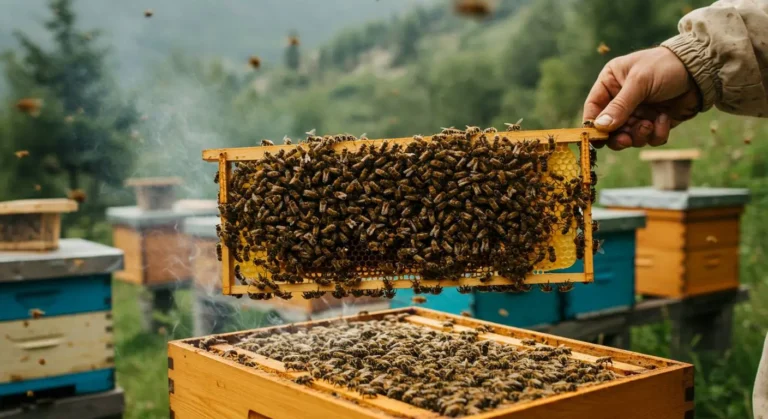
The breed about which the most legends are created, academic articles are written, and yet whose field performance conflicts most sharply with theoretical data in the world of beekeeping is undoubtedly the Caucasian Bee (Apis mellifera caucasia). While praised in literature as “the world’s most valuable breed” and the “bee with the longest tongue,” this genotype, though seemingly perfect in laboratory settings, can sometimes be a miracle and sometimes a source of great economic disappointment for beekeepers facing the ruthless realities of nature when the hive lid is opened.
This article presents not fancy laboratory data, but the field realities and behind-the-scenes of the Caucasian bee learned by master beekeepers all across Türkiye through trial and error, paying the price, and discussing in forums.
Caucasian Bee Physical Features and In-Hive Behaviors
The Caucasian bee is a biological machine capable of obtaining nectar from deep-tubed flowers (e.g., red clover) with its record tongue length between 6.7 – 7.2 mm. However, masters in the field confirm with bitter experience that this long tongue does not always mean “more honey.”
The “Honey Lock” Problem and Brood Disease Risk
The situation that hurts beekeepers the most in the field, which is rarely mentioned in literature but extinguishes hives in the apiary, is the “Honey Lock” or “Brood Cutting” syndrome.
- Problem: As soon as the Caucasian bee finds a strong nectar flow, it enters “winter storage” mode with a genetic panic. Worker bees fill all empty cells in the brood nest, where the queen should lay eggs, with honey.
- Result: The queen bee cannot find a place to lay eggs. The hive enters winter “full of honey,” but because there are no “young bees” inside, the population needed to carry the colony to spring does not form. Beekeepers call this the “Has honey but no bees” syndrome.
Propolis Production and Hive Cleaning
The Caucasian bee gives extreme importance to hive insulation. While this is great for diseases (anti-bacterial environment), it is a total nightmare for the beekeeper. They stick frames, inner covers, and flight holes with propolis as if using concrete. Significant physical strength is required to separate frames during hive inspections, which tires the beekeeper and stresses the colony.
In Which Region Does the Caucasian Bee Grow? (Climate Adaptation)
The “Engine Life” analogy used by master beekeepers to explain why the Caucasian bee fails in hot regions like the Aegean and Mediterranean is the field data that summarizes the situation most clearly.
| Region / Climate | Reaction of the Caucasian Bee | Result (Field Experience) |
| Eastern Anatolia / Black Sea (Cold) | Enters the cluster in winter, shuts down the engine. Does not expend energy. | Emerges in spring vigorous and at full strength. (Successful) |
| Aegean / Mediterranean (Temperate/Hot) | Cannot hibernate. Flies out when it sees the sun, but there is no nectar. | Flaps wings in vain, exhausts its “engine life.” The hive fails in March. (Unsuccessful) |
Especially in the great colony collapses experienced in 2007, the failure of thousands of Caucasian colonies moved to regions like Muğla and Kahramanmaraş was a result of using this breed in the wrong geography. Field adaptation experiments have proven that while the native bee in the Aegean produces 2 frames of honey, the Caucasian bee under the same conditions reaches the point of starvation.
Hybrid Caucasian Bee Features and Aggressiveness
The pure Caucasian bee (Apis mellifera caucasia) is one of the most docile bees in the world. However, due to migratory beekeeping in Türkiye, finding a pure breed is almost impossible. The bees beekeepers complain about in the field for “piercing the mask” are actually not Caucasian, but Caucasian hybrids.
- F1 Hybrid Strength: Hybrids produced from a pure Caucasian mother provide an explosive honey yield in the first generation (F1) due to the “Heterosis” effect.
- Cost of Aggression: These hybrids become extremely aggressive, especially when mated with Syrian or Muğla breed drones. They both attack the beekeeper and ruthlessly rob nearby weak hives.
Beekeeper Reviews: Advantages and Disadvantages
The following table is compiled not from academic books, but directly from beekeepers’ complaints and satisfaction comments in forums.
| FIELD ADVANTAGES (Satisfaction) | FIELD DISADVANTAGES (Complaints) |
| Deep Nectar Hunter: Pulls honey from deep flowers like clover with its long tongue (7.2mm). | Late Awakening: Develops very late in spring. Misses citrus and early spring honey. |
| No Swarming: Does not divide the colony and trouble the beekeeper; minds its own business. | Hive Abandonment: Extremely sensitive to moisture and odor. Abandons a damp hive regardless of the honey inside. |
| Overwintering Ability: Easily survives the winter by consuming little honey in cold and snowy regions. | Nosema Sensitivity: Quickly catches spring diarrhea and digestive system diseases. |
| Docility (Purebred): If pure, can be worked without a mask; it is calm. | Frame Locking: Fills the brood area with honey, causing the colony to die out. |
Frequently Asked Questions and Master Advice
We have compiled the most frequently asked questions in beekeeping forums and subjects that novice beekeepers misunderstand, using the experiences of masters in the field.
Is the Caucasian bee’s late spring awakening a problem?
This depends entirely on where your apiary is. If you are in a region where winter lasts long, like the high plateaus of Kars, Ardahan, or Sivas, this is a vital advantage. The bee is not fooled by a “false spring,” does not wake up until the frost risk has passed, and does not let its brood chill. However, if you are on the coastline, in the Aegean or Mediterranean, this is a major problem. While nectar flows in nature, your bee is still trying to wake up, and you miss the main honey season. Caucasian is not suitable for early spring honey (citrus, canola).
Why does the Caucasian bee sting a lot and become aggressive?
Because the bee you have is most likely not a pure Caucasian. Protecting the pure breed in Türkiye is very difficult due to migratory beekeeping. Your bee has probably become a Caucasian hybrid (F1 or F2). When Caucasian blood is crossed with harsh local breeds of Anatolia (Syrian, Muğla, etc.), the resulting hybrids become aggressive like “monsters.” Furthermore, these hybrids have a very high robbing tendency; they attack other hives. Most of those sold as “Caucasian” on the market are these uncontrolled hybrids.
Why does hive abandonment (absconding) occur? (Honey is there, but no bees)
The biggest reason for this is moisture and odor. The Caucasian bee is extremely fond of cleanliness. If your hive insulation is poor and moisture (dampness) has formed inside, the combs start to smell like mold. The bee finds this environment “unlivable,” leaves the honey behind, and abandons the hive. Additionally, the residual odors of heavy chemical pesticides (Amitraz, Flumethrin) you use while entering winter or the smell of hive paint also drive this sensitive breed away from the hive.
What is a honey lock?
The Caucasian bee is of mountain origin, coded with the instinct that “winter will be long and harsh.” As soon as it finds nectar, it starts stocking up in panic and even fills cells intended for the queen’s eggs with honey. While it may seem pleasing to a beekeeper to say “Oh, the hive is full of honey,” this situation is the colony’s suicide. Since no brood is reared, the hive enters winter with old bees and cannot make it to spring. The solution is to constantly harvest honey-filled frames or insert empty combs in between to make room for the queen.
Does the Caucasian bee live in hot climates?
It is very difficult due to biological clock incompatibility. The Caucasian bee is the “thick-haired” bee of cold climates. When it goes down to a hot climate, it cannot enter the winter cluster. Because the weather is hot, it constantly flies out and flaps its wings. However, there is no nectar outside. The bee spends more than the honey it collects on “empty flights.” While the native bee produces 2 frames of honey, the Caucasian bee exhausts its “engine life” and consumes its stocks. If feeding is not provided, it can die of starvation even in the middle of summer.
Caucasian Bee: Legend or Reality?
The experiences of master beekeepers show that the Caucasian Bee is not the king of every climate, but the king of its own geography. It is unrivaled in high-altitude regions where winters are harsh and deep-tubed flowers are present. However, seeing this bee as a “savior” and moving it inappropriately to the heat of the Aegean or the sunflowers of Thrace is both an economic loss for the beekeeper and a biological disaster for the bee. Real mastery lies in choosing not the popular breed, but the bee adapted to the climate of the region.