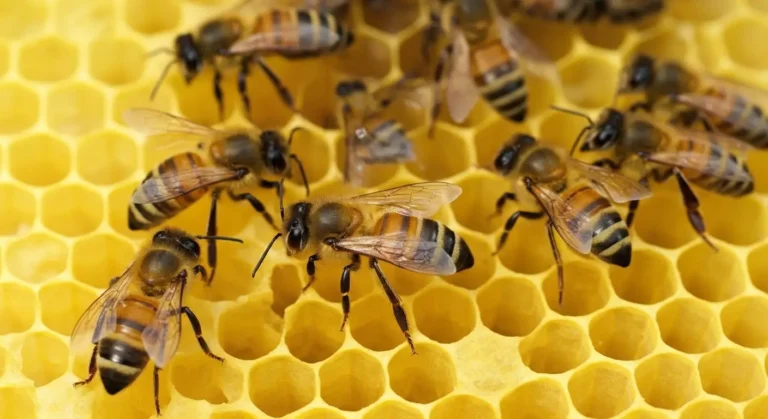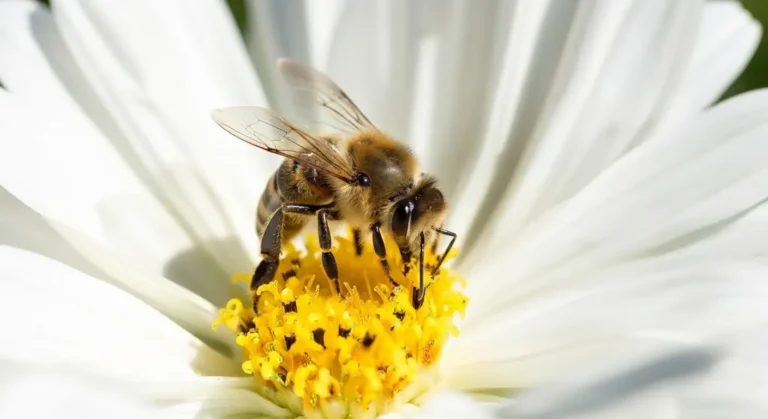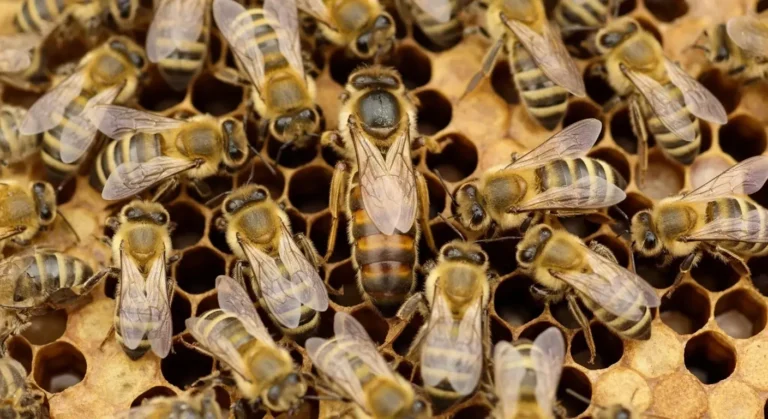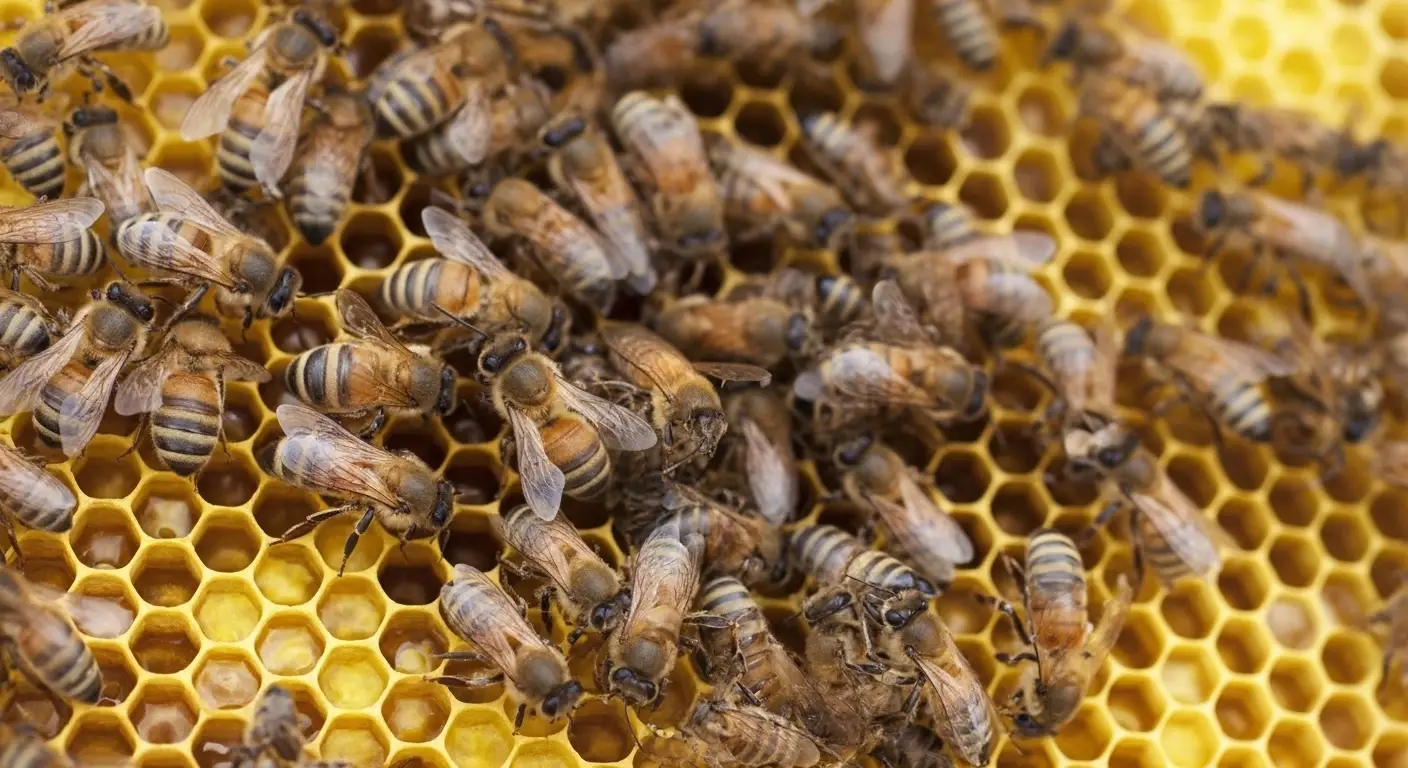
Efe Queen Bee; registered by the Aegean Agricultural Research Institute (ETAE) and also defined in beekeeping literature as the West Aegean bee, is a native ecotype perfectly adapted to the challenging climate and flora conditions of the region. With its genetic structure stabilized through breeding studies, the Efe bee stands out in modern beekeeping for both productivity and sustainability with the following key characteristics:
Characteristics of the Efe Bee
- High Honey Yield: It provides high commercial value by producing honey in the range of 35-45 kg per colony annually under suitable flora conditions.
- Disease Resistance: Its high natural immunity against common bee diseases ensures that Efe bee colonies remain healthy and reduces the need for medication.
- Gentle and Docile Nature: Showing a low tendency for aggression during beekeeping operations, the West Aegean bee facilitates hive management and maintenance processes.
- Fast Spring Development: Thanks to its structure fully compatible with the regional ecology, it rapidly increases its population during the spring period and enters the main nectar flow with the strongest worker force.
- Superior Overwintering Ability: Adapted to the Aegean climate, this ecotype successfully survives the winter period with minimum food consumption and a high survival rate.
Morphological Characteristics and Body Structure of the Efe Bee
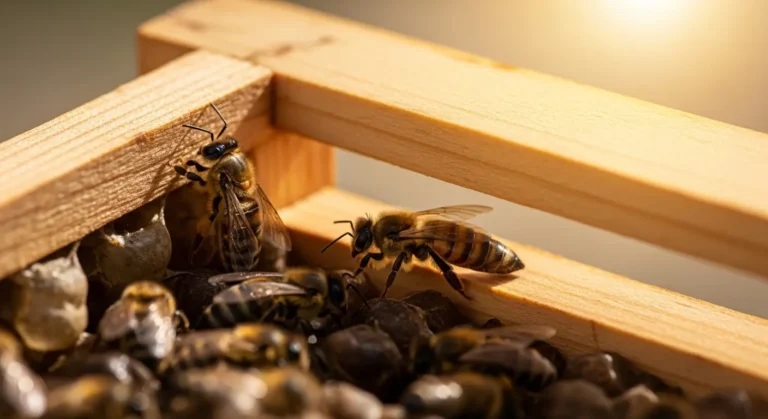
The Efe bee (West Aegean bee) is a registered ecotype that carries the specific characteristics of the Anatolian bee race unique to the Aegean Region in terms of physical features. The morphological structure of this ecotype, standardized through breeding studies, has evolved to respond with the highest efficiency to the flora and climate conditions in the region.
- Chitin and Segment Color: The Efe bee is distinguished by the distinct yellowish color tone on its abdominal rings; this is a fundamental visual feature that sets it apart from other dark-colored native races.
- Tongue Length: The tongue length, which directly affects nectar collection capacity, is around an average of 6.3 – 6.5 mm for the West Aegean bee, allowing it to yield from plants with deep flower structures in the region.
- Body Size: Having a medium-sized body structure, the Efe queen bee has a high daily egg-laying capacity thanks to its large and long abdomen.
- Wing Structure: Its aerodynamic structure and wing vein indices allow it to maintain stable flight in the windy coastal areas of the Aegean and rugged pine forest regions.
- Hair Density: The hair structure on the body exhibits a distribution that helps the colony maintain its thermal balance (thermoregulation) against the temperature fluctuations of the region.
Behavioral Characteristics of the Efe Bee
Optimized through breeding studies, the Efe bee is a preferred ecotype in modern enterprises due to its beekeeper-friendly character. The behavioral patterns of this race, also known as the West Aegean bee, are shaped by operational ease and sustainable production.
- Gentle and Docile Nature: It does not show aggression during beekeeping operations and hive inspections.
- Ease of Management: Thanks to its docile character, colony management and maintenance processes are quite easy for beekeepers.
- Low Swarming Tendency: Due to its genetic stability, it does not exhibit unnecessary swarming behavior, which allows the colony to maintain its population and focus on honey yield.
- Disease Management Awareness: Its high natural immunity against common bee diseases increases the survival motivation of the colony.
- High Collection Diligence: When flora conditions are suitable, it exhibits disciplined work and nectar collection behavior to produce 35-45 kg of honey annually.
- Propolis Collection Tendency: It is very active in collecting and using propolis from the regional flora to ensure intra-hive sterilization.
Honey Yield and Climate Adaptation of the Efe Bee

The Efe bee is an ecotype genetically coded to the flora structure and climate cycle of the Aegean Region. This natural adaptation ability enables West Aegean bee colonies to maintain production continuity even during challenging seasonal transitions and provide higher commercial gains compared to their competitors.
- High Honey Production Capacity: When ideal flora and proper management conditions come together, a honey yield in the range of 35-45 kg per colony annually is achieved.
- Adaptation to Variable Climate Conditions: It continues its flight activities by showing high resistance to the sudden temperature changes of the Aegean and the windy coastline.
- Superior Performance in Pine Honey Areas: Thanks to its structure specialized in honeydew honey production, it utilizes the Marchalina hellenica (pine honey scale) periods in the region with the highest efficiency.
- Economic Overwintering Ability: Passing the winter period with minimum honey consumption, this race enters the spring months with a healthy and strong worker population, guaranteeing early-season honey yield.
- Drought Resistance: It manages to maintain colony balance by exhibiting resilience against nectar scarcity during the summer drought periods of the region.
Comparison of Efe Bee and Other Bee Races
Although there are many bee races with high commercial value in Turkey and worldwide, the Efe bee, a registered regional ecotype, is unrivaled in the flora of the Aegean Region.
- Caucasian Bee: Unlike this species adapted to cold climates and high altitudes, the Efe bee exhibits much higher commercial performance with an annual honey yield of 35-45 kg in the warm areas of the Aegean.
- Italian Honey Bee: Compared to this popular species known for its intensive brood production capacity, the West Aegean bee is more successful in protecting colony health without medication thanks to the high natural immunity it shows against common diseases.
- Buckfast Bee: Although this species with a hybrid structure offers high yields, the Efe bee, a native genetic resource, is a safer harbor for sustainable beekeeping due to its docile nature and full adaptation to regional conditions.
- Cyprian Bee: Unlike this species that challenges beekeepers with its extremely aggressive nature, the West Aegean bee does not show aggression during hive inspections with its calm character and provides ease of management.
- Syrian Bee: Compared to this race which exhibits aggressive behavior despite being drought-resistant, the Efe bee produces the ideal solution for modern enterprises by offering both climate resistance and docility together.
- Anatolian Bee: The Efe bee, selected and registered from within this main race representing Turkey’s broad gene pool, has a much more specific productivity focus compared to the main population, especially in pine honey production areas.
- Iranian Bee: In contrast to this species which can disrupt stability in honey production due to its high swarming tendency, the West Aegean bee maximizes honey production with its low swarming tendency and high nectar collection diligence.
- Thracian Bee: Compared to this species that stands out with its early spring development, the Efe bee minimizes the risk of colony loss with its low food consumption and superior overwintering ability exhibited in Aegean winter conditions.
Comparison Table of Efe Bee and Other Bee Races
This table summarizes the fundamental differences between bee races and the region-specific advantages of the Efe bee (West Aegean bee) ecotype:
| Bee Breed | Honey Yield (Annual/Avg.) | Character / Gentleness | Key Feature |
| Efe Bee | 35 – 45 kg | Very Calm / Docile | 100% adaptation to Aegean flora and high disease resistance. |
| Caucasian Bee | 25 – 35 kg | Calm | Cold climate performance with long tongue structure. |
| Italian Honey Bee | 30 – 40 kg | Docile | Very fast brood development and population growth. |
| Buckfast | 35 – 50 kg | Calm | Hybrid vigor; low swarming tendency. |
| Cyprian Bee | 15 – 25 kg | Very Aggressive | Drought resistance but difficult management. |
| Syrian Bee | 10 – 20 kg | Very Aggressive | Hot climate resistance; low honey yield. |
| Anatolian Bee | 20 – 35 kg | Medium / Variable | Full adaptation to the general harsh climate of Anatolia. |
| Iranian Bee | 15 – 25 kg | Aggressive | High swarming and propolis collection tendency. |
| Thracian Bee | 25 – 40 kg | Calm | Overwintering ability and early spring development. |
Why Choose the Efe Queen Bee?
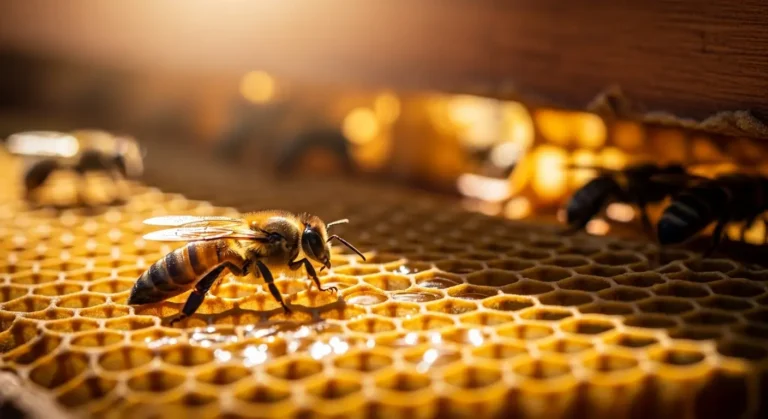
For professionals who want to conduct sustainable and profitable beekeeping activities in the Aegean Region, the Efe bee is genetically the most accurate choice. Field studies and registration data have proven that using the West Aegean bee maximizes efficiency by bringing annual honey production to the 35-45 kg band while lowering operating costs.
In particular, its high natural resistance to diseases and docile character open the door to organic production by reducing medication use. Compared to other bee races in Turkey, the Efe bee is one of the most valuable success stories of our native genetic resources with its performance in the region’s pine honey areas and low overwintering losses.
A Field Perspective on Efe Queen Bee: Real Experiences of Master Beekeepers
While theoretical information is valuable in the world of beekeeping, the real truth emerges when the hive lid is opened. The Efe bee (West Aegean bee), which holds a strategic place within Turkey’s biological diversity, has become one of the most talked-about topics by both academic circles and professional beekeepers in recent years. In this article, we will examine not the commercial promises of the Efe queen bee, but the discussions of master beekeepers in forums, social media feedback, and the technical performance data they have personally experienced in the field.
Field Observations: Morphological Structure and First Impressions
For master beekeepers, the quality of a bee is understood from the flight traffic in front of the hive and its stance on the frame. The Efe bee is known in the field for its “early bird” character; starting activity with the first light of day, it evaluates the cool hours when nectar is most abundant with maximum efficiency.
Morphological Features and Field Effects
| Feature | Technical Definition | Impact on Beekeeping Operations |
| Body Structure | Medium size (18-20 mm) | Provides energy savings and high flight capacity. |
| Color Markings | Golden yellow bands on brown | Facilitates visual race identification and queen bee tracking. |
| Tongue Length | Long (Compatible with Aegean flora) | Enables yielding from deep-tubed flowers and maquis flora. |
| Heat Resistance | High resistance | Ensures maintenance of intra-hive coolness in the Aegean heat. |
| Disease Resistance | Natural durability | Requires less use of chemical medications. |
Honey Yield: Is the 35-45 kg Claim Real?

The claim of an annual 35-45 kg honey yield frequently heard in commercial promotions is confirmed by beekeepers in the field depending on certain conditions. Beekeepers working in pine honey-focused regions such as Muğla, Aydın, and İzmir report that the Efe bee produces 25% to 35% more honey compared to other races in the vicinity.
According to field data, an enterprise purchasing 8-frame package bees can reach the state of adding a super (honey chamber) within a week with proper management. This rapid development mathematically increases the yield by ensuring entry into the nectar flow period with a strong forager force.
Comparative Performance Analysis
In response to the question “Which race is better for me?” most asked by beekeepers, the comparison matrix distilled from field experiences is as follows:
Bee Race Performance Matrix
| Feature | Efe Bee | Carniolan Bee | Anatolian Bee |
| Gentleness | High | Very High | Medium / Low |
| Spring Development | Fast | Very Fast | Medium |
| Pine Honey Compatibility | Excellent | Medium | Good |
| Swarming Tendency | Low | Medium / High | Low / Medium |
| Overwintering | Good | Very Good | Excellent |
Frequently Asked Questions and Real Answers
The most critical questions and answers distilled from field experiences and master beekeeper forum discussions are as follows:
Is the Efe bee aggressive? Can it be worked with without a mask?
Generally, it is a calm and docile bee; experiences of working without a mask among master beekeepers are quite common. However, the defensive reflex may increase in mixed apiaries or during periods when the nectar flow is interrupted.
Does the Efe bee really give 40 kg of honey?
It is possible to reach these figures with suitable flora, especially in pine honey regions, and good management. Field reports confirm that it provides 25-35% more yield compared to other bees in the vicinity.
Will the Efe bee die from the cold in winter?
Wintering success is quite high. It keeps the winter cluster tight in continental climates like Central Anatolia. However, proper insulation and feeding are vital at extreme altitudes above 1350 meters.
Why does the Efe bee swarm?
Under normal conditions, the swarming tendency is low. However, since it is a very rapidly developing race, if the beekeeper misses the timing for adding a super and the brood chamber becomes congested, it may turn to swarming like any other bee.
How often should I change the queen bee?
Technical observations in the field indicate that for high yield, the queen bee should be replaced when she completes 2 years of age. After 3 years, the egg pattern is disrupted, and the honey yield drops by 50-70%.
Conclusion and Critical Warnings
The common point of beekeepers who achieve success with the Efe queen bee is their respect for the bee’s biological needs (timely supering, spring feeding). It has been observed that users who experience disappointment generally use hybrids that look like Efe but whose genetic purity has not been preserved, or expect miracles in very extreme climate conditions (such as the Erzurum plateaus). With the right region and the right management, the Efe bee is a national value that promises a sustainable and profitable future for beekeepers.