Honey, one of the most complex and healing foods nature offers humanity, has been both a staple of tables and a crown jewel of traditional medicine for centuries. This golden liquid, which emerges as a result of bees devotedly collecting nectar from flowers and transforming it through miraculous biochemical processes inside the hive, represents much more than a simple sweetener. In this guide, we will examine in depth all the details you might be curious about, from honey’s production journey to its nutritional value, from the impact of bee breeds to other bee products.
What is Honey and How is it Defined?
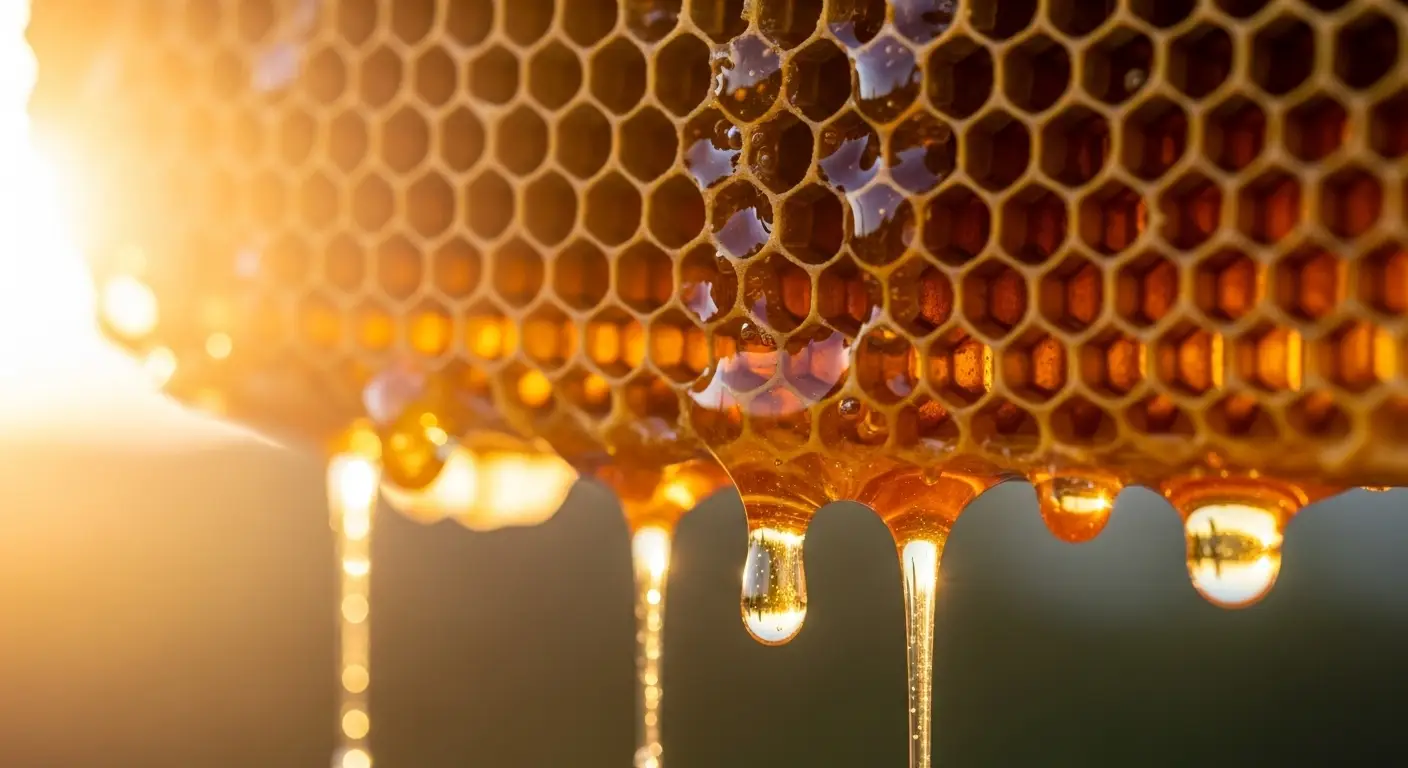
The clearest scientific definition to the question what is honey is as follows: It is a natural, sweet, and healing food substance obtained by honey bees collecting plant nectars or the secretions of certain living organisms living on plants, combining them with specific substances of their own to modify them, reducing the water content, and storing them in honeycomb cells to mature.
The answer to the frequently asked question regarding the physical state of honey, is honey solid, liquid, or gas, is that honey is actually a “supersaturated liquid.” Under normal conditions, it is in a fluid liquid form, but over time, it may solidify as a result of glucose crystallization. Although this situation is known among the public as sugaring, it is actually a natural physical change process of honey.
The Honey Bee and the Production Adventure: Myths and Facts
Behind a jar of honey lies an incredible logistical and chemical production process carried out by thousands of honey bees. However, there are some misconceptions in society regarding this process.
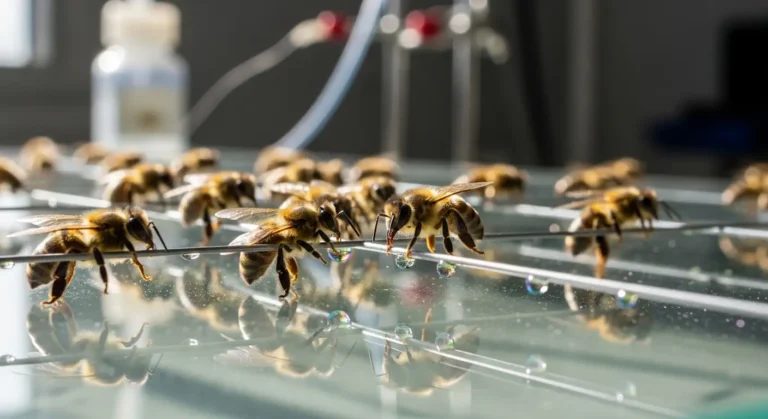
First of all, it must be clarified that; the question is honey bee feces is completely an urban legend. Honey is not the end product of the bee’s digestive system (feces). Similarly, the statement is honey bee vomit is technically and biologically incorrect. Bees carry nectar in a special reservoir called the “honey stomach.” This section is separated from the stomach where the bee feeds by a valve. Here, the nectar is enriched with enzymes and brought to the hive to be deposited. In other words, honey is not a digestive waste, but a product of enzymatic transformation.
Which Food Group Does Honey Belong To and What is its Content?
The topic of which food group honey belongs to, frequently researched by nutritionists and dieters, relates to honey’s macro-nutrient profile. Honey falls into the carbohydrate group, which is a basic energy source.
When looking at chemical analyses, the answer to the question does honey contain glucose or fructose is “both.” The majority of honey’s dry matter consists of fructose (fruit sugar) and glucose. However, what distinguishes it from table sugar are the enzymes, amino acids, vitamins, and minerals it contains. So, in terms of biological origin, is honey animal or plant-based? Honey is formed by the processing of plant-based raw material (nectar) by an animal organism (the bee). Therefore, the question is honey a fruit is also invalid; honey is neither fruit nor vegetable; it is an animal-sourced food in its own unique category.
Honey Bee Breeds and Their Effects on Hive Productivity
There are many honey bee breeds adapted to different geographies around the world, and the genetic characteristics of these breeds directly affect the quantity and quality of the honey produced.
The choice of bee breed is of vital importance for beekeepers. Generally, the basic characteristics sought in a productive honey bee breed are:
- Nectar Gathering Ability: Capacity to fly long distances and carry loads.
- Tongue Length: Long-tongued breeds (e.g., Caucasian Bee) benefit better from flowers where nectar is deep (like clover).
- Tendency for Aggression: Gentle breeds facilitate the beekeeper’s control of the hive.
- Overwintering Ability: Cold climate breeds survive by minimizing honey consumption in winter.
- Resistance to Diseases: Natural immune strength against foulbrood or parasites.
- Swarming Tendency: A low desire for uncontrolled reproduction (swarming) increases honey yield.
Honey Varieties: Classification by Flora and Production Methods
The color, taste, and smell of honey depend entirely on the vegetation the bee visits. Let’s answer the question what is monofloral honey, one of the most frequently wondered terms within this diversity: If more than 45% of the nectar inside the honey comes from a single plant species (for example Chestnut, Acacia, Sunflower), it is called monofloral (single flower) honey. Those obtained from mixed flowers are called polyfloral honey.
1. Honeys According to Source
- Flower Honey: It is the honey produced by bees with the liquid collected from the nectar glands in plant flowers.
- Honeydew Honey (Pine Honey): It is the honey produced by bees collecting the sweet secretion of the scale insect (Marchalina hellenica) living on the pine tree. Our country is a world leader in this regard.
2. Honeys According to Production Method
- Strained Honey: It is obtained by removing the wax cap layer on the combs and straining them in centrifuge machines.
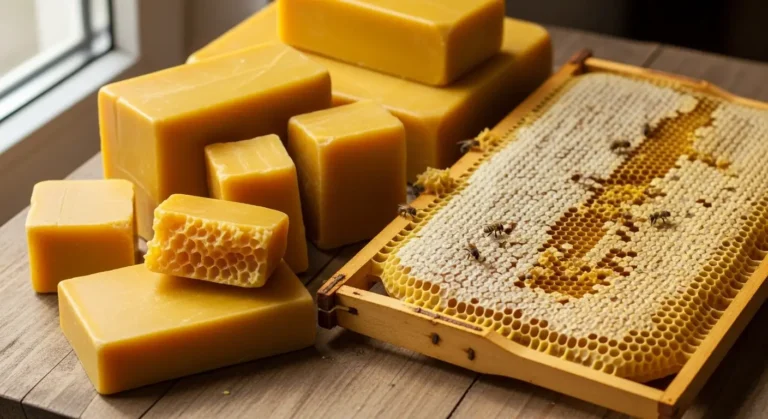
- What is Comb Honey: It is the form consumed exactly as it is taken from the hive, filled with honey and capped, woven entirely by the bees themselves or on a foundation sheet.
Getting to Know Honey and Other Bee Products: The Hive’s Hidden Treasures
The hive is not just a honey depot, but also a natural pharmacy. For a healthy life, it is necessary to add honey and other bee products to the nutrition routine in a balanced way.
- Pollen and Bee Pollen: Pollen, the male reproductive cell of flowers, is collected by bees as a protein source. The colored granules collected with traps at the hive entrance are called bee pollen.
- Bee Bread (Perga): It is the product formed as a result of bees storing the collected pollen in honeycomb cells and fermenting it with honey and their own enzymes. Perga is a powerful probiotic that is more easily digested than pollen.
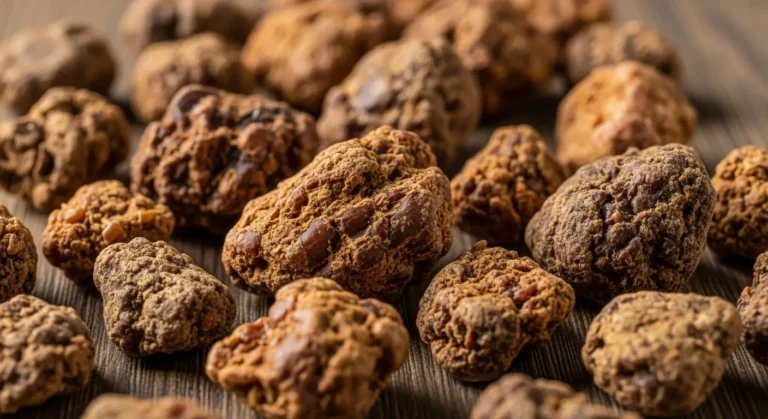
- Propolis: It is a substance with very high antibacterial effect, produced by bees from plant resins and used to sterilize the hive.
- Royal Jelly: It is a whitish liquid with very high nutritional value, secreted from the hypopharyngeal glands of young worker bees, which the queen bee feeds on.
- Beeswax: It is the construction material secreted by bees from their abdominal rings to build honeycombs.
How to Recognize Real Honey?
With the increase of imitation products in the market, finding real honey has become the priority of conscious consumers. Unfortunately, it is not possible to understand whether honey is real by looking at its color, fluidity, or smell. Methods such as the “burning test” or “refrigerator test” are not scientific.
In a general sense, it would not be wrong to answer the question which category does honey fall into as “food requiring trust.” To understand real honey, it is mandatory to perform Proline value, C4 sugar ratio, and HMF analysis in a laboratory environment. However, as a consumer, you can pay attention to this: Real honey may crystallize (sugar) in the cold. This is not a sign of spoilage, but of naturalness. Honey should not be exposed to high heat so that it does not lose its nutritional value.
In conclusion; the answer to the question what kind of food is honey is that it is not just a sweet, but nature’s most strategic energy source and storehouse of healing.