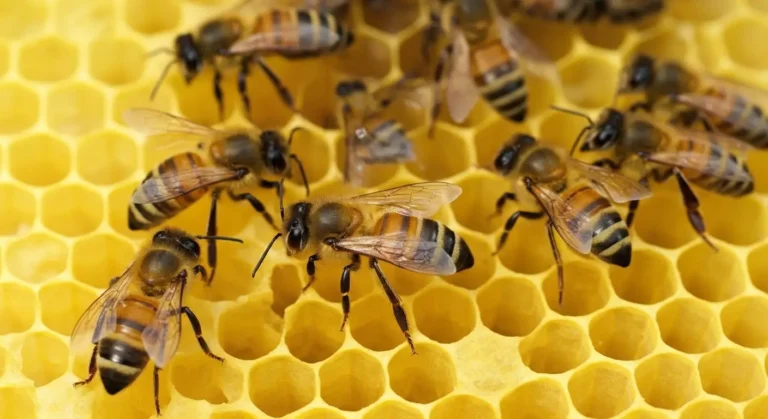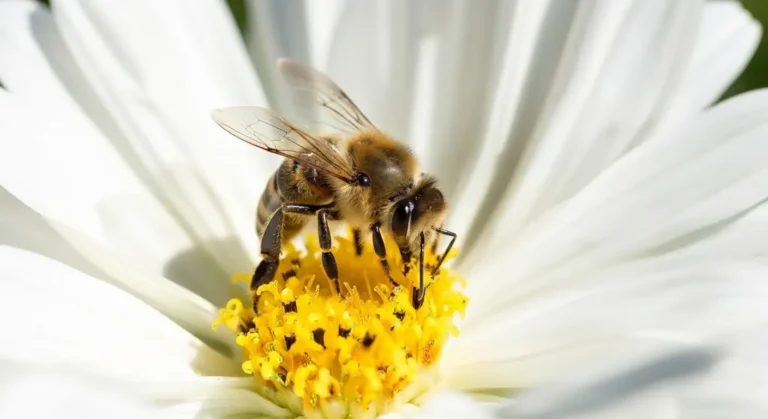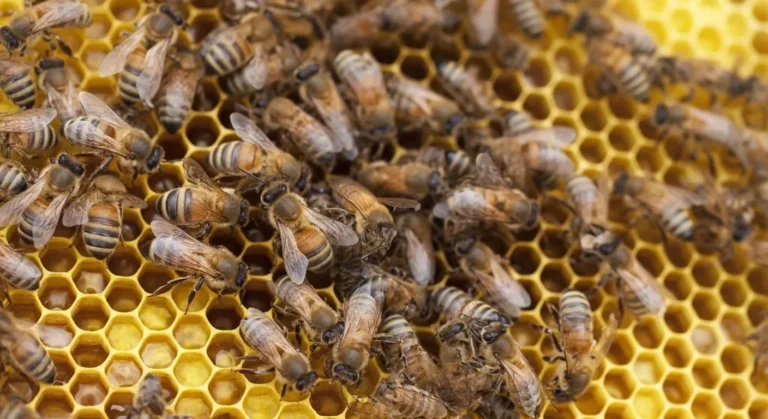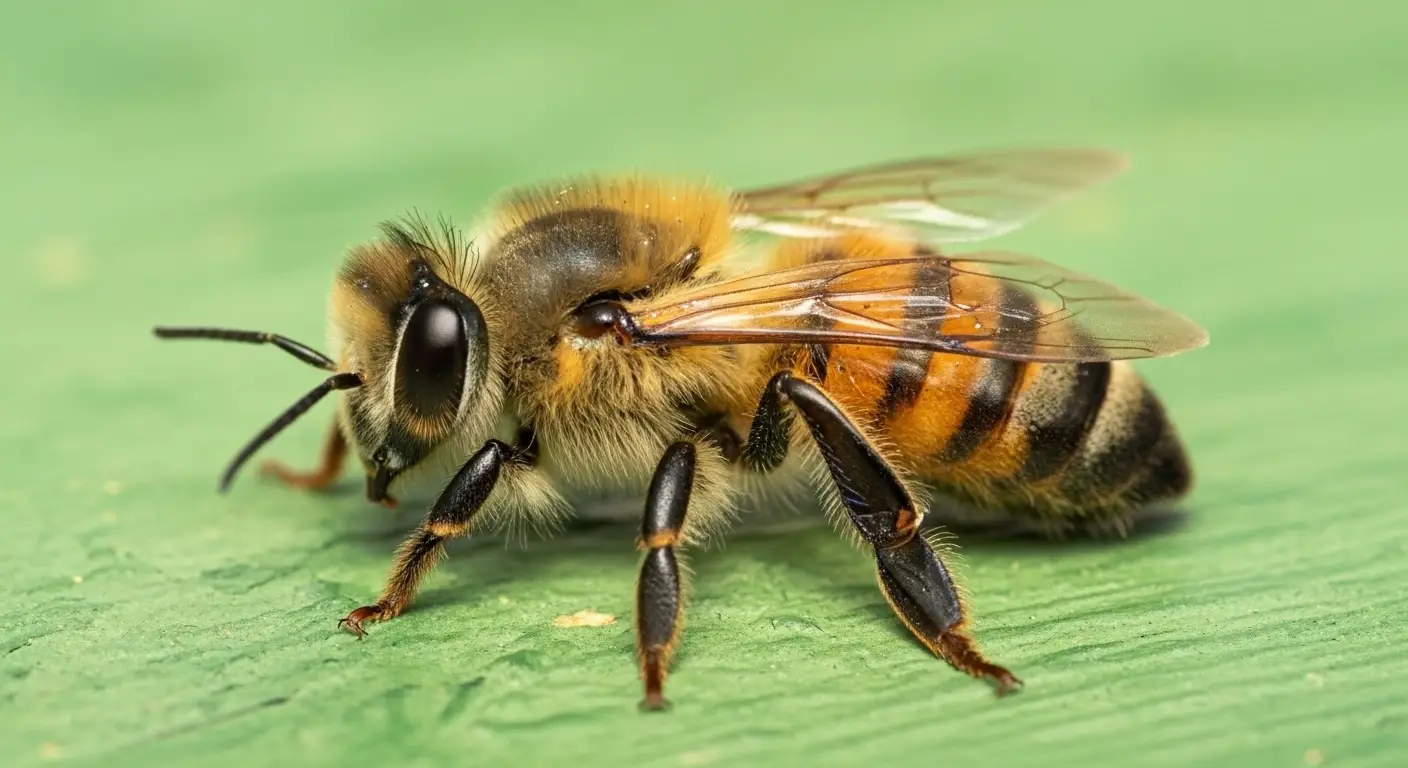
The Iranian Bee; scientifically known as Apis mellifera meda, is a strategic honey bee subspecies belonging to the “O” (Oriental) lineage. It has adapted over thousands of years to the harsh climatic conditions and semi-arid geography of the Middle East. This breed is particularly renowned for its high overwintering ability, intense propolis collection instinct, and the natural hygienic behavior (VSH) it exhibits against the Varroa parasite. Standing out with its success in maintaining the colony under challenging floral conditions and its characteristic swarming tendency, the Iranian bee is considered one of the most important biological heritages for the sustainability of the regional ecosystem and genetic diversity.
Characteristics of the Iranian Bee
- Phylogenetic Classification: Scientifically named Apis mellifera meda, this breed is genetically part of the Oriental (O) lineage and is fully biologically adapted to the Middle Eastern ecosystem.
- Morphological Structure: The body color generally consists of yellow tones leaning toward gray; the proboscis (tongue length) of worker bees averages between 6.2 mm and 6.5 mm, which facilitates nectar collection from deep-tubed flowers.
- Overwintering Ability: It shows high resistance to harsh and long winter conditions; it is highly successful in maintaining colony population and minimizing food consumption at low temperatures.
- Propolis Collection Instinct: To create in-hive insulation and hygienic barriers, it collects and utilizes a much more intense amount of propolis compared to other bee breeds.
- Swarming Tendency: As part of its genetic heritage, it possesses a strong swarming drive; while this accelerates the natural expansion of the colony, it requires strict control in professional beekeeping.
- Varroa and Disease Resistance: By exhibiting natural VSH (Varroa Sensitive Hygiene) behavior against the Varroa destructor parasite, it has a high ability to detect and remove parasitized larvae from the hive.
- Adaptation and Flora Utilization: It has the ability to efficiently use limited floral resources in semi-arid climates; it is physiologically resilient to sudden temperature changes and periods of scarcity.
- Defense Mechanism: The instinct to protect the colony against external threats is highly developed; it can exhibit a medium-to-high degree of defensiveness depending on environmental conditions.
Morphology of the Iranian Bee
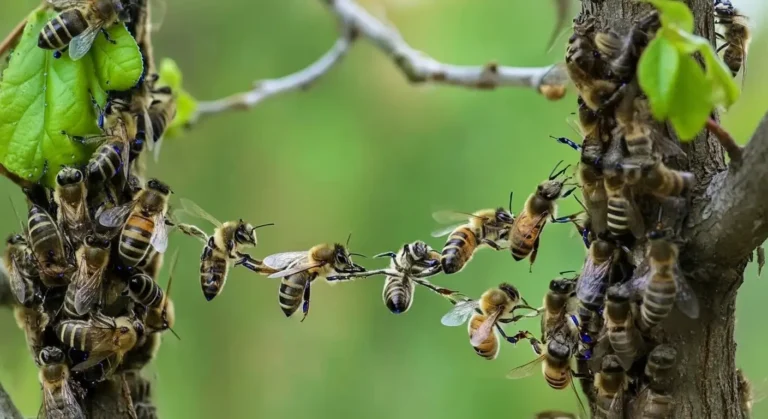
- Body Color and Pigmentation: Distinct yellow or orange bands are found on the first three segments (tergites) of the abdomen. The scutellum located at the back of the thorax is usually yellow, giving it a characteristic appearance.
- Body Size: It is a medium-sized bee breed. The weight and volume of worker bees have evolved to optimize overwintering capacity.
- Proboscis (Tongue) Length: The tongue length of the Iranian bee averages between 6.2 mm and 6.5 mm. This morphological structure allows it to adapt to regional floral diversity and extract nectar from flowers with deep corollas.
- Cubital Index: A critical parameter in breed identification, the cubital index value averages between 2.3 and 2.5. This value represents specific ratios in the wing vein structure.
- Wing Structure: Forewing length and width possess aerodynamic properties suitable for wind resistance in high-altitude regions and long-distance nectar flights.
- Tomentum and Hair Structure: The hair bands (tomentum) on the abdominal segments are wide. The hairs on the body are relatively short and dense, providing an advantage in maintaining body temperature.
Climate Adaptation and Geographical Distribution
- Semi-Arid Climate Adaptation: The Iranian bee has evolutionarily developed high tolerance to the extreme heat and low humidity of steppe climates and semi-arid regions.
- Extreme Temperature Resistance: Even at temperatures exceeding 40°C in summer months, it can continue its activities by maintaining in-hive thermoregulation (heat balance).
- Overwintering Strategy: In high-altitude regions where a harsh continental climate prevails, it has the ability to emerge strong in spring with minimum food consumption by maintaining a tight winter cluster.
- Scarcity Period Management: During dry periods when nectar flow stops, the queen bee rapidly restricts egg production to protect colony stocks.
- Regional Distribution: It maintains natural populations across a wide geography, primarily the Iranian plateau, including Southeastern Anatolia in Turkey, northern Iraq, and parts of Azerbaijan.
Honey Yield and Economic Performance
- Nectar Collection Efficiency: In regions where floral resources are limited, it has the capacity to fly long distances and maximize the utilization of available resources.
- Average Honey Production: Depending on maintenance and floral conditions, it can provide an annual average honey yield of 15 kg to 30 kg per colony. This amount is higher in improved lines.
- Propolis and By-product Yield: In addition to honey production, its high tendency to collect propolis offers economic potential for the production of apitherapy products.
- Early Spring Development: It rapidly increases the colony population as soon as pollen flow begins, allowing it to take advantage of early-season honey flows.
- Sustainability: Thanks to its low need for external feeding and resistance to diseases, it creates an economic advantage for the beekeeper by lowering operational costs.
Comparison of the Iranian Bee and Other Bee Breeds
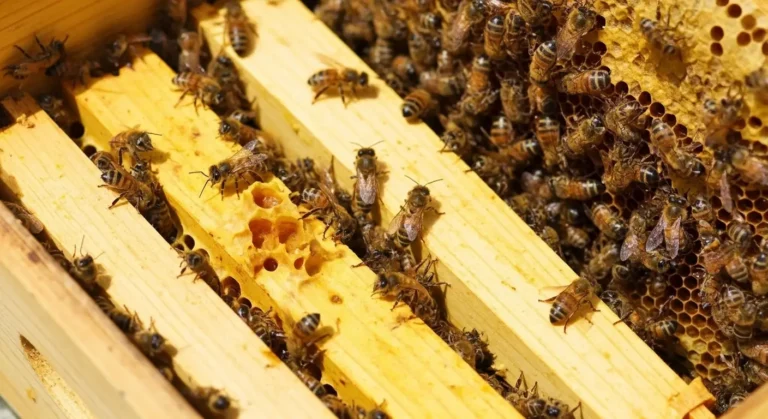
The fundamental key to achieving sustainable success and high honey yields in beekeeping is working with the bee breeds best suited to the climate and floral structure of the region. Each honey bee subspecies has developed unique biological and morphological advantages through thousands of years of natural selection. In this section, we will examine the fundamental differences by comparing the characteristic features of the Iranian bee with other bee breeds commonly used worldwide and in Turkey.
- Caucasian Bee (Apis mellifera caucasia): Known as the bee breed with the longest tongue in the world, the Caucasian bee shows superior success in high-altitude regions and flora with deep-tubed flowers. It has a much calmer temperament than the Iranian bee, but its swarming tendency is quite low.
- Italian Honey Bee (Apis mellifera ligustica): An indispensable part of commercial beekeeping worldwide, the Italian honey bee has the capacity for very rapid reproduction and forming massive colonies. While the Iranian bee focuses on protecting limited resources, the Italian bee is known for high food consumption, and its overwintering ability is not as resistant to harsh climates as the Iranian bee.
- Buckfast Bee: A hybrid breed, the Buckfast bee was bred for disease resistance and a low swarming tendency. In contrast to the natural and local genetics of the Iranian bee, the Buckfast is a high-yield “industrial” bee obtained through controlled mating.
- Thracian Bee (Apis mellifera carnica variety): Exhibiting high performance particularly in sunflower and forest flora, the Thracian bee stands out for its rapid spring development and ability to maintain a tight winter cluster. It is resilient like the Iranian bee but has a lower tendency to collect propolis.
- Western Aegean Bee: Perfectly adapted to the pine honey production of the Aegean Region, the Western Aegean bee is an expert at utilizing secretions from the Marchalina hellenica insect. While the Iranian bee excels in semi-arid climates, the Western Aegean bee is unrivaled in moist coastal strips and pine forests.
- Cyprian Bee (Apis mellifera cypria): Although it shows morphological similarities to the Iranian bee, the Cyprian bee is known for its extreme defensiveness and protection instinct. It is as resistant to drought as the Iranian bee but is less preferred in commercial beekeeping due to management difficulties.
- Syrian Bee (Apis mellifera syriaca): One of the breeds best adapted to hot and arid desert climates, the Syrian bee has a high swarming tendency like the Iranian bee. It is known for its small body structure and high defense mechanism.
- Anatolian Bee (Apis mellifera anatoliaca): The main genetic resource of Turkey, the Anatolian bee is the breed closest to the Iranian bee in its frugality and ability to survive in harsh conditions. Its honey storage ability is very strong, and it forms low-cost colonies with the least need for external feeding.
Bee Breeds Comparison Table
| Bee Breed | Honey Yield | Overwintering Ability | Swarming Tendency | Temperament (Gentleness) | Propolis Collection | Most Suitable Climate |
| Iranian Bee | Medium – High | Very High | High | Aggressive / Medium | Very High | Semi-Arid / Steppe |
| Caucasian Bee | Very High | Very High | Very Low | Very Gentle | High | High Altitude / Harsh |
| Italian Bee | Very High | Low | Low | Very Gentle | Low | Mediterranean / Temperate |
| Buckfast | Very High | Medium | Very Low | Gentle | Medium | General / Temperate |
| Anatolian Bee | High | Very High | Medium | Medium | Medium | Continental / Variable |
| Thracian Bee | High | High | Low | Gentle | Medium | Moist / Continental |
| Syrian Bee | Medium | Low | Very High | Aggressive | High | Hot / Desert |
| Cyprian Bee | Medium | Medium | High | Very Aggressive | High | Hot / Arid |
| Western Aegean Bee | High | Medium | Medium | Medium | Medium | Coastal / Pine Flora |
The Role of the Iranian Bee in the Future of Beekeeping
In summary, the Iranian bee (Apis mellifera meda) holds strategic importance in the modern beekeeping world due to its unique adaptation abilities developed against the challenging climatic conditions of the Middle Eastern geography. Its high overwintering ability, natural Varroa resistance, and superior propolis collection instinct make this breed not just a honey producer, but a survival-oriented genetic reserve.
Within the scope of sustainable beekeeping activities, protecting such breeds that adapt to local flora and climate conditions is critical for the balance of the ecosystem. For beekeepers, Iranian bee characteristics, when combined with correct colony management techniques, form the basis of a low-cost and resilient production model. Through future genetic breeding studies, it is aimed to develop hybrid lines resistant to global climate change by optimizing the characteristic disadvantages of this breed, such as swarming. Consequently, this ancient biological heritage of the region will continue to merge both efficiency and resilience in the beekeeping sector.
A Field Perspective on the Iranian Queen Bee: Real Experiences of Master Beekeepers
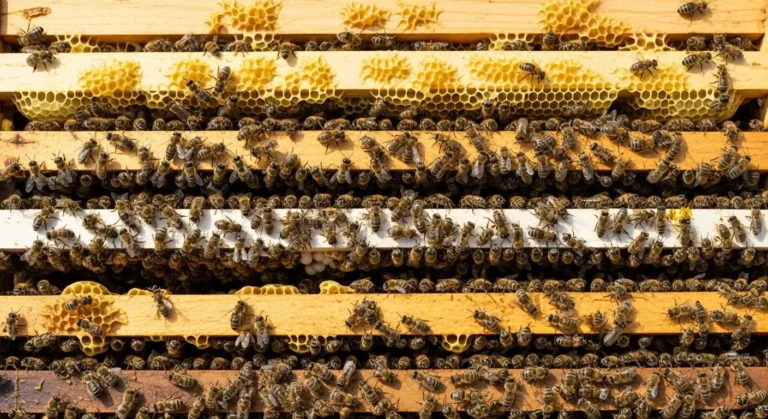
The only place that goes beyond theoretical knowledge and determines “real success” in the world of beekeeping is the field. The Iranian queen bee (Apis mellifera meda), which has survived for thousands of years in the challenging geography of the Iranian plateau, is seen today as a “strategy expert” unlike modern hybrids. Stretching from the snow of Alborz to the heat of the Zagros, this genetic heritage is, in the words of Master Beekeepers, “an indispensable part of nature.”
Here is the story of a survival master, beyond just a honey bee breed, with data coming directly from the field.
Geographical Adaptation and Ecotype Differences
The success of the Iranian bee stems from developed ecotypes specific to the region rather than a homogeneous structure. Field observations show how local genetics dance with the climate:
- Alborz Mountains: Colonies in this moist and high-altitude region are known for early spring development.
- Zagros Line: Struggling with harsh winters and scorching summers, this ecotype stands out for its drought resistance and intense pollen collection ability.
- East Azerbaijan: Home to lines that follow a “late awakening” strategy to survive in cold reaching -25°C, establishing a tight winter cluster.
Behavioral Realities: Aggressiveness or Defense?
The issue most emphasized by master beekeepers is the famous defense instinct of the Meda bee. While those accustomed to European breeds might label this as “aggressiveness,” in the field, it is viewed as a predation defense.
Master Beekeeper’s Note: “The Meda bee is not malicious; she simply loves her home dearly. You can approach an Italian bee with a child, but when approaching a Meda, you should have your last will and testament ready.”
- Smoke Effect: Professionals in the field state that smoke is not a sedative for the Meda bee, but a stimulant. Improper smoke usage can trigger alarm pheromones, making the bee more aggressive.
- Bee-Carpet: The collective barrier they create at the hive entrance during a threat is their strongest weapon against invasive species (hornets, etc.).
Overwintering and Drought: “Maximum Resilience with Minimum Resources”
The true “superpower” of the Iranian bee is its economic overwintering ability. Unlike imported breeds, the Meda only begins to use its stocks when spring has fully arrived.
- Overwintering Success: While Italian bees (over 20 kg) and Carniolan bees (15 – 20 kg) consume intense stocks in winter, the Meda bee can survive the winter without loss with only 8 – 12 kg of honey.
- Drought Tolerance: When summer heat exceeds 40°C, the Meda puts the colony into “sleep mode” by resetting the queen’s egg production. Bu ensures the Meda’s survival during periods when foreign breeds might desert the hive (absconding).
Why Meda? Comparative Analysis with European Breeds
Although many Iranian beekeepers initially turned to Carniolan or Italian breeds with promises of “calmness” and “rapid development,” the result was often a “bitter experience.”
- Stock Management: The Carniolan bee builds a massive population in spring, but when nectar stops, this population turns into a consumption monster.
- Honey Logging: The problem of the brood area being blocked with honey (honey logging) seen in Carniolans is a major yield loss compared to the Meda’s balanced stock management.
- Cost: Master beekeepers who say, “With Carniolans, you collect sugar bills, not honey,” have proven that the Meda offers a more profitable model with low maintenance costs.
Hygienic Behavior and Varroa Resistance
The most important feature reducing dependence on chemical treatments is the VSH (Varroa Sensitive Hygiene) ability of the Meda bee.
- Grooming: Worker bees biting and injuring mites on each other (30 – 45 percent physical damage) provides a natural cleaning.
- Cell Opening: Tests have determined that Meda colonies exhibit hygienic behavior at a rate of 79.9%. This means identifying pupae infested with mites and removing them from the hive.
Frequently Asked Questions
Is the Iranian bee (Meda) truly very aggressive?
The Meda bee has a high defense instinct, but this is an adaptation against regional external threats rather than mere aggressiveness. In improved lines and with correct smoke management, this behavior can be brought under control.
Why is the Meda bee’s winter honey consumption lower than other breeds?
The Meda bee does not start brood activity until spring has fully arrived and forms a tight winter cluster. This “wait and see” strategy allows it to conserve energy and honey stocks.
How does the Meda bee’s swarming tendency affect honey yield?
The Meda bee’s natural reproductive instinct (swarming) is high, and this situation has a negative correlation with honey yield. However, master beekeepers can transform this energy into colony strength through artificial splitting and space management techniques.
Is the Meda bee or European breeds more profitable?
Under ideal and controlled conditions, European breeds can yield high amounts of honey; however, in regions with climatic uncertainties and limited flora, the Meda bee is much more profitable in the long run due to its low maintenance cost and high survival rate.
Can the Meda bee fight Varroa without medication?
While completely medication-free struggle is risky, the high grooming (biting) and VSH (hygienic cleaning) behaviors exhibited by the Meda bee provide the opportunity to minimize chemical usage.