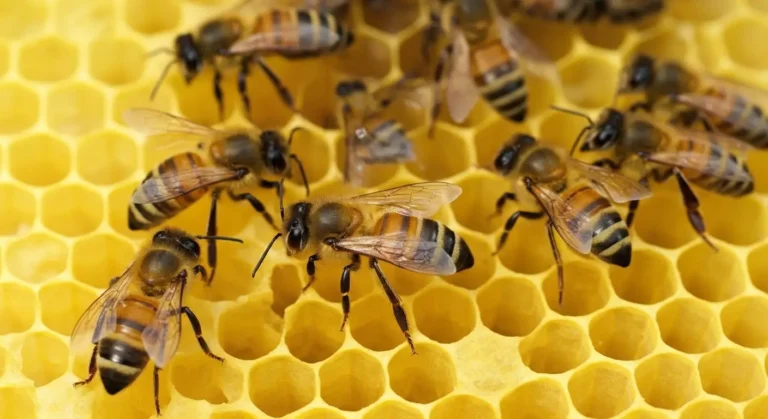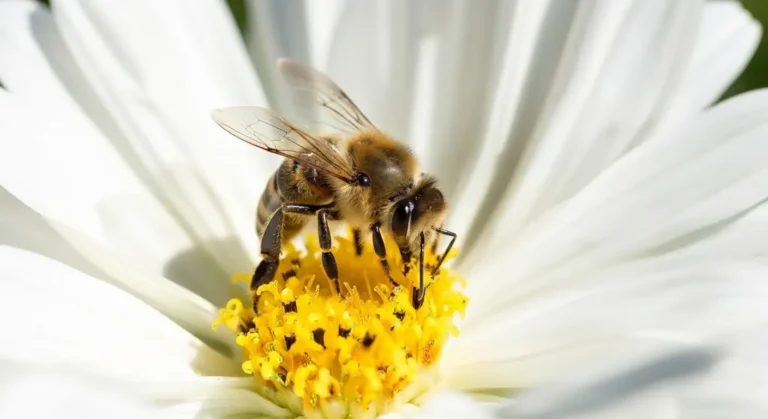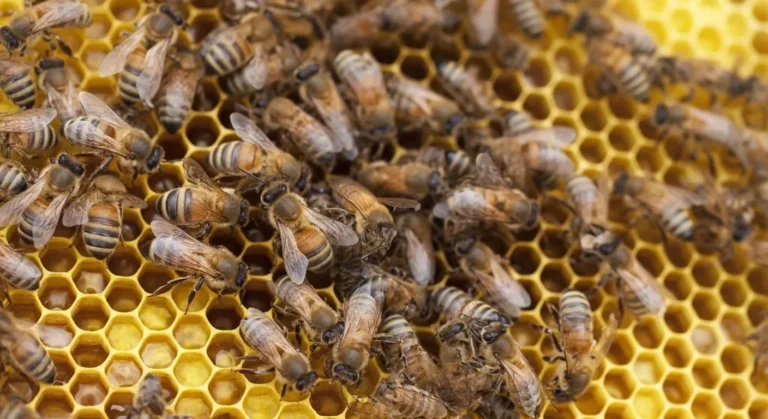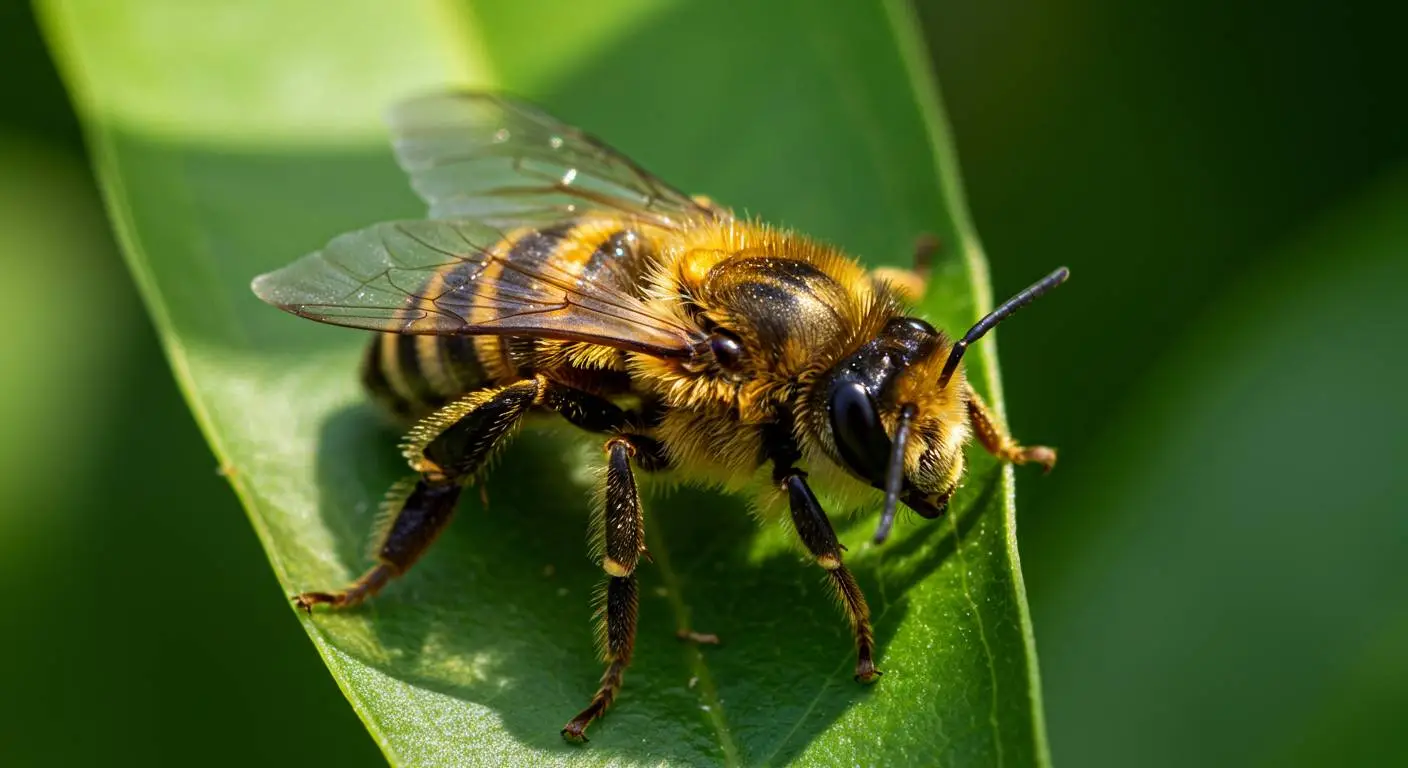
The Italian queen bee; scientifically defined as Apis mellifera ligustica, native to the Italian peninsula and known in the beekeeping world as the “Golden Bee,” is a highly productive honey bee breed. Morphologically distinguished by its bright yellow color and rounded abdominal structure, these bees possess superior nectar-gathering abilities thanks to their long tongue structure, ranging between 6.3 and 6.6 mm.
With a very high reproductive capacity, the Italian bee maintains an uninterrupted production cycle from early spring through autumn, particularly due to its strong family structure. This breed, which facilitates colony management with its fast comb-building ability and low swarming tendency, is known for entering winter with strong populations; however, it consumes more honey during the winter period compared to other breeds. Perfectly adapted to temperate climates, this “Golden Bee” is the most preferred commercial bee breed worldwide, especially in the US, due to its high honey yield potential.
The Italian Bee and Its Characteristics
Scientific Definition and Origin: Native to the Italian peninsula, this breed is known globally as the “Golden Bee.”
Physical Appearance: The abdominal chitin is quite shiny, and it generally has a yellow-colored, rounded abdominal structure.
Tongue Length: The tongue length, which directly affects nectar collection capacity, is between 6.3 mm and 6.6 mm.
Reproductive Capability: Their reproductive capacity is very high; strong colonies continue to breed uninterruptedly from early spring to autumn.
Swarming Tendency: Their tendency to swarm is quite low, providing a significant advantage for commercial beekeeping.
Comb Building Ability: They possess a very fast comb-building capability, which helps the colony expand rapidly.
Wintering Behavior: They enter the winter season as strong colonies.
Honey Consumption: They consume more honey during the wintering process compared to other breeds; therefore, stock management is of critical importance.
Climate Adaptation: They adapt very well, particularly to temperate climates.
Temperament: They exhibit a docile character with a low tendency to sting, making them extremely suitable for beekeeping practices.
Italian Bee Honey Yield
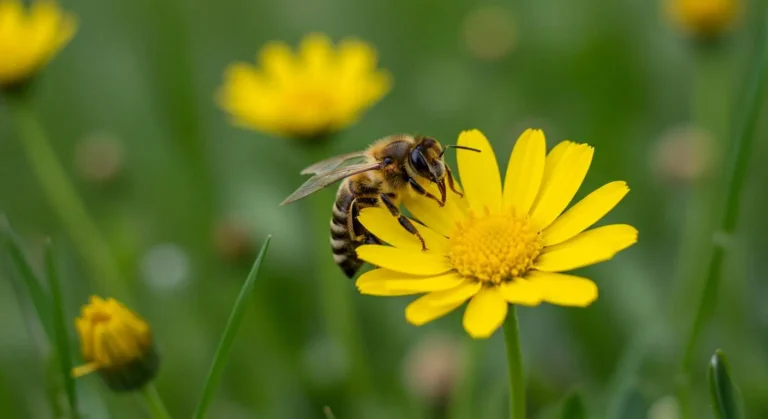
The most fundamental factor determining profitability in beekeeping is the nectar collection capacity of the colony used. At this point, the Italian queen bee, with its high honey collection performance combined with its docile temperament, has become indispensable for commercial beekeeping worldwide. Especially in temperate climate zones, colonies managed by the Italian queen bee show a much more aggressive foraging tendency compared to other breeds. The technical reason for this high efficiency is the tongue length of the Italian queen bee workers, which is between 6.3 – 6.6 mm; this structure allows them to reach nectar in deep flower tubes, putting them ahead of their competitors.
Morphological Characteristics and Physical Structure
Visually one of the easiest breeds to distinguish, the Italian queen bee is defined in literature as the “Golden Bee.” The physical characteristics of this special breed are as follows:
- The Italian queen bee generally has bright yellow segments and a rounded abdominal structure.
- The abdominal chitin on the body is quite shiny and reflects a distinct golden color under the sun.
- The size of the worker bees is medium; however, the Italian queen bee is easily recognizable within the colony due to her majestic stature.
The Italian Cordovan Bee and Its Characteristics
Among the Italian queen bee varieties, the Cordovan line is undoubtedly the most striking in terms of visuals and performance. This special variety retains all the advantages of the standard Italian bee while offering unique conveniences to beekeepers due to a genetic color mutation.
The main characteristics of Italian queen bee-focused Cordovan colonies are as follows:
- Unique Color Mutation: The legs, head, and abdominal tips, which are black in standard bees, have turned into a brown or reddish tone in this variety; this provides a completely “golden” and shiny appearance for the Italian queen bee.
- Ease of Queen Tracking: The Italian queen bee, which has completely yellow/orange tones, can be selected from among thousands of workers in seconds during hive inspections, significantly reducing labor time.
- High Brood Yield: The Cordovan-type Italian queen bee has an intense brood-rearing tempo that lasts from early spring to autumn, keeping the colony strong at all times.
- Docile Character: One of the greatest advantages of this line is that the workers produced by the Italian queen bee are extremely calm; this feature may even allow for working without a veil.
- Nectar Collection Capability: As with other Italian lines, Cordovan workers can collect nectar even from the deepest flowers with their 6.3 – 6.6 mm long tongue structures.
- Low Swarming Tendency: Cordovan colonies under Italian queen bee management are highly resistant to swarming, ensuring colony integrity during the honey season.
- Wintering and Stock Management: Cordovan-type Italian queen bee colonies, entering winter with a strong population, consume honey intensively throughout the winter; therefore, the beekeeper must meticulously plan winter feeding.
The Italian Ligustica Bee and Its Characteristics
The Ligustica (Apis mellifera ligustica), the purest and most common variety that comes to mind when the Italian queen bee is mentioned, is the backbone of modern beekeeping. Known in beekeeping literature as the “Golden Bee,” this breed stands out both for its docile nature and its high nectar-gathering drive.
Key features of Ligustica colonies led by the Italian queen bee:
- Scientific Identity and Origin: Native to Italy, this breed is the most imported and utilized Italian queen bee type worldwide due to its docility and industriousness.
- Body Structure and Color: These bees, which generally have a yellow-colored and rounded abdominal structure, have quite shiny abdominal chitins.
- Superior Tongue Length: The tongue length of the worker bees produced by the Italian queen bee is between 6.3 and 6.6 mm, enabling them to efficiently extract nectar from deep flowers.
- Continuous Brood Production: With a very high reproductive capacity, the Italian queen bee creates strong families by laying eggs uninterruptedly from early spring to autumn.
- Resistance to Swarming: One of the most important features facilitating colony management is the weak swarming tendency of Italian queen bee colonies.
- Rapid Development: They possess fast comb-building abilities that allow the colony to grow quickly.
- Wintering Challenges: Although they enter winter as strong colonies, beekeepers using the Italian queen bee must carefully manage winter stocks due to high honey consumption during this process.
- Climate Adaptation: Showing maximum performance in temperate climate conditions, this breed is one of the most suitable Italian queen bee options for beekeeping practices due to its docile temperament.
Colony Dynamics and Reproductive Capability
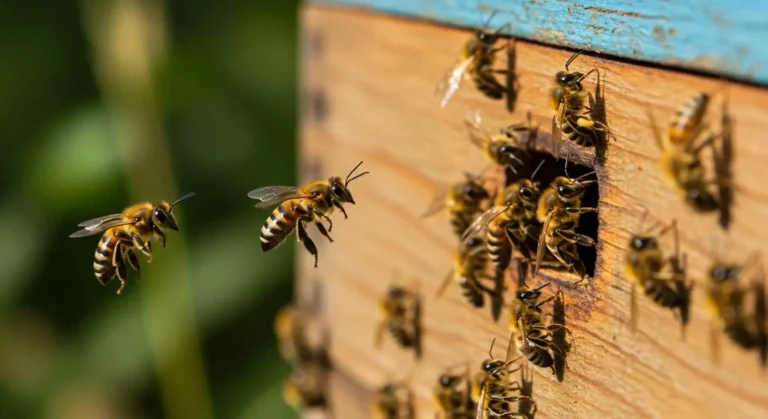
Rapid colony growth is essential to maximize the benefit from spring honey. The Italian queen bee has an unrivaled brood-rearing tempo in this regard:
- Possessing high reproductive capability, the Italian queen bee maintains an uninterrupted brood cycle from early spring until late autumn.
- The colony population increases rapidly due to the ability to establish strong families, and this growth is supported by the fast comb-building capability.
- One of the biggest advantages is the weak swarming tendency of colonies managed by the Italian queen bee; this facilitates the beekeeper’s colony control.
Seasonal Management and Wintering Performance
For successful beekeeping, not only summer yield but also low winter losses are important. Colonies managed by the Italian queen bee enter winter in quite large numbers. However, there is a critical point to note:
- These bees, entering winter as strong colonies, consume more honey during the winter season compared to other breeds.
- For this reason, beekeepers using the Italian queen bee must plan winter stocks (along with varroa control) much more meticulously.
- Perfectly adapted to temperate regions climatically, the Italian queen bee may tend to break the cluster early and start brooding even in winter.
Comparison of the Italian Queen Bee and Other Bee Breeds
Different bee breeds used in professional beekeeping worldwide are preferred according to regional climate and yield goals. The Italian queen bee discussed in this article offers unique characteristic advantages when compared to other popular breeds.
Here are the key differences between the Italian queen bee and other important bee breeds:
- Carniolan Bee (Apis mellifera carnica): While the Carniolan Bee is known for spending the winter consuming very little honey and its excellent wintering ability, the Italian queen bee differs by consuming more honey during the winter period than other breeds.
- Caucasian Bee (Apis mellifera caucasia): Although the Caucasian Bee is the breed with the longest tongue structure at approximately 7.2 mm, Italian queen bee workers are also very successful in collecting nectar from deep-tubed flowers thanks to their tongue lengths between 6.3 – 6.6 mm.
- Anatolian Bee (Apis mellifera anatoliaca): The Anatolian Bee stands out for its resistance to Turkey’s harsh climate conditions and diseases; in contrast, the Italian queen bee is widely preferred worldwide due to its docile temperament and high compatibility with beekeeping practices (colony management).
- Buckfast Bee: Although the Buckfast Bee is a high-yielding hybrid obtained by crossbreeding various breeds, the Italian queen bee offers an indispensable standard for beekeepers with its docility in pure lines and its aesthetic yellow color known as the “Golden Bee.”
- Thrace Bee (Regional ecotype): Unlike the Thrace Bee, which has adapted to the cold and humid Thrace climate, the Italian queen bee maintains the colony population with an uninterrupted brood-rearing tempo from spring to autumn, especially in temperate climate regions.
- West Aegean (Muğla) Bee (Regional ecotype): Compared to the West Aegean (Muğla) Bee, which specializes in pine honey production, the Italian queen bee focuses on maximum yield during the flower honey season with its fast comb-building ability and high reproductive capacity.
- Cyprian Bee (Apis mellifera cypria): While the Cyprian Bee is known for its ferocity and extreme stinging tendency, the Italian queen bee provides a safe working environment in the apiary due to its calm structure and docile character.
- Syrian Bee (Apis mellifera syriaca): While the Syrian Bee exhibits a structure resistant to drought and pests, the Italian queen bee is a more sustainable option for modern enterprises due to its low swarming tendency and maintenance of a strong family structure.
- Iranian Bee (Apis mellifera meda): Against the Iranian Bee, known for its regional defense mechanism, the Italian queen bee stands out in honey yield with its rapid development potential and worker staff that responds instantly to nectar flow.
Comparison Table: Italian Queen Bee vs. Other Bee Breeds
This table allows you to see the differences between the Italian queen bee and other bee breeds at a glance while planning apiary management and productivity:
| Bee Breed | Temperament (Docility) | Honey Yield | Swarming Tendency | Wintering Ability | Most Distinctive Feature |
| Italian Queen Bee | Very Docile | Very High | Very Low | Medium (High Consumption) | Golden yellow color and 6.6 mm tongue |
| Carniolan Bee | Docile | High | High | Very Good | Very low winter food consumption |
| Caucasian Bee | Docile | Very High | Low | Good | Longest tongue structure (7.2 mm) |
| Buckfast Bee | Docile | Very High | Very Low | Good | Hybrid vigor and disease resistance |
| Anatolian Bee | Medium / Aggressive | Medium / High | Medium | Very Good | High adaptation to harsh conditions |
| Cyprian Bee | Aggressive | Medium | High | Good | Heat resistance and aggressive defense |
| Muğla Bee | Medium | High (Pine) | High | Good | Full adaptation to pine honey production |
Why Choose the Italian Queen Bee?
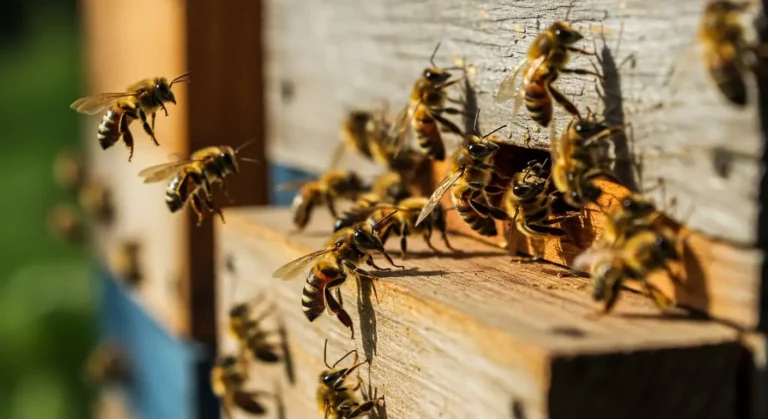
Success in beekeeping enterprises comes from choosing the right ecotype and stabilizing colony management. All analyses and field data show that the Italian queen bee gathers the “rapid development” and “easy management” features required by modern beekeeping in a single body.
3 main reasons to choose the Italian queen bee:
- Economic Efficiency: Thanks to the uninterrupted brood cycle from spring to autumn, you have the largest worker staff during the period when nectar flow is most intense.
- Operational Ease: Thanks to its low swarming tendency and docile structure, it minimizes labor costs even in apiaries with hundreds of hives.
- Rapid Adaptation: The Italian queen bee adapts quickly to almost every region in the temperate climate zone, always keeping its beekeeper one step ahead with its comb-building and stocking capabilities.
If your goal is to produce high amounts of flower honey with controllable colonies in a docile apiary, the Italian queen bee (especially Cordovan or Ligustica varieties) will be a “golden” investment for you.
Field Perspective on the Italian Queen Bee: Real Experiences of Master Beekeepers
The Italian queen bee (Apis mellifera ligustica), which forms the backbone of the global beekeeping industry, is accepted among master beekeepers not just as a breed, but as a “productivity tool” requiring high discipline. Data from the field confirms that this breed carries the heritage of the Mediterranean climate, offering high brood yield and low swarming tendency—the two most critical parameters of modern beekeeping—as a genetic standard.
Physical and Biological Standards with Field Data
Morphological observations made by master beekeepers in the field prove that the tongue length of Italian queen bee workers varies between 6.3 mm and 6.6 mm. This technical detail provides this breed with an unrivaled advantage, especially when collecting nectar from deep-tubed flowers such as alfalfa and sainfoin.
| Parameter | Measured Value / Observation |
| Tongue Length | 6.3 – 6.6 mm |
| Cubital Index | 2.2 – 2.5 |
| Comb Capping | Bright White and Uniform |
| Propolis Usage | Low to Medium Level |
The “Brood Machine” Phenomenon and Real Honey Yield
Professionals in the field use the definition of “continuity in brood production” for the Italian queen bee. While other breeds stop egg laying when nectar flow is cut off, the Italian queen bee focuses on maintaining the brood area independent of external conditions. While this situation allows you to work with a “ready army” throughout the season, it can lead to a rapid depletion of food stocks in case of management errors.
Regional Honey Yield Table
According to field reports, Italian queen bee productivity directly depends on the pasture and management quality:
| Region / Condition | Yield Range (Annual/Hive) | Key Observation |
| Excellent Pasture (USA/Australia) | 45 – 100+ kg | Migratory beekeeping and strong nectar flow |
| Standard Mediterranean Basin | 25 – 45 kg | Professional management and stationary beekeeping |
| Limited Pasture / Beginner | 10 – 15 kg | Colonies in the development stage |
Master Beekeeper’s Advice: The Italian queen bee loves to stack honey in the supers; therefore, always make space for the queen one frame in advance so that the low swarming tendency is not triggered.
Wintering Test: Starvation or Cold?
The most striking data from the field is that Italian queen bee deaths are not due to cold, but to “starvation” caused by high metabolic rates. Data from Romania and Central Europe show that this breed consumes 11.5% more honey in winter than others.
Comparative Winter Consumption Data
| Parameter | Italian Bee (Ligustica) | Carpathian / Carniolan Bee |
| Daily Honey Consumption (Winter) | 58 grams | 52 grams |
| Total Loss During Winter | 52% (Bee population loss) | 35% (Bee population loss) |
| Consumption Difference (%) | 11.5% more | Reference |
Ligustica vs. Cordovan: Difference in the Field
- Italian Ligustica: Yellow-banded, docile, and ideal for general honey production.
- Italian Cordovan: Has a completely golden yellow body; docility is at an “extreme” level, and spring development occurs at an “explosive” speed. However, the tendency for robbing is higher than in standard Italians.
Field Experience and Technical Analysis Notes
In light of field data and the decades-long experience of master beekeepers, below are the most curious technical details regarding Italian queen bee management:
Why is Varroa control more challenging in Italian queen bee colonies than in other breeds?
The biological reality in the field is this breed’s tendency for continuous brooding in winter and summer months. Since the Varroa mite can only reproduce within capped brood, hives managed by the Italian queen bee provide an active breeding factory for the parasite 365 days a year. This situation makes it mandatory for beekeepers working with this breed to meticulously monitor parasite pressure in every season.
How do regional climate differences affect Italian queen bee performance?
Italian queen bee success is directly related to micro-climate conditions; for example, in high-humidity regions like the Black Sea, resistance to Nosema and brood rot decreases, while in extreme heat between 38 and 46 degrees, colony losses can reach up to 84%. In temperate coastal strips, however, this breed shows the highest performance in terms of spring development speed.
How are robbing and hive drifting issues detected in apiary management?
Master beekeepers define Italian queen bee workers as “ambitious thieves” during periods when nectar flow is cut off; because they are faster than other breeds at detecting and robbing weak hives in the vicinity. Additionally, due to poor orientation, workers have a high tendency to drift into other hives, which is one of the most important factors accelerating the transfer of Varroa and diseases within the apiary.
What is the environmental cost of using Italian queen bees in migratory beekeeping activities?
Research has revealed that the carbon footprint of Italian queen bee colonies used in migratory beekeeping systems is 2.48 kg of carbon dioxide equivalent per unit of honey produced. In contrast, in stationary beekeeping practices, this value drops to 0.58 kg, presenting a much more sustainable and environmentally friendly profile.
What measures should be taken to prevent colony collapse due to starvation in winter?
Italian queen bee colonies do not keep the winter cluster as tight as other breeds and do not stop brooding activity, which creates high energy needs. Master advice from the field is to leave at least 15-20 kg of capped honey when entering winter; because this breed consumes approximately 11.5% more food in the winter months than others, encountering the risk of starvation earlier.